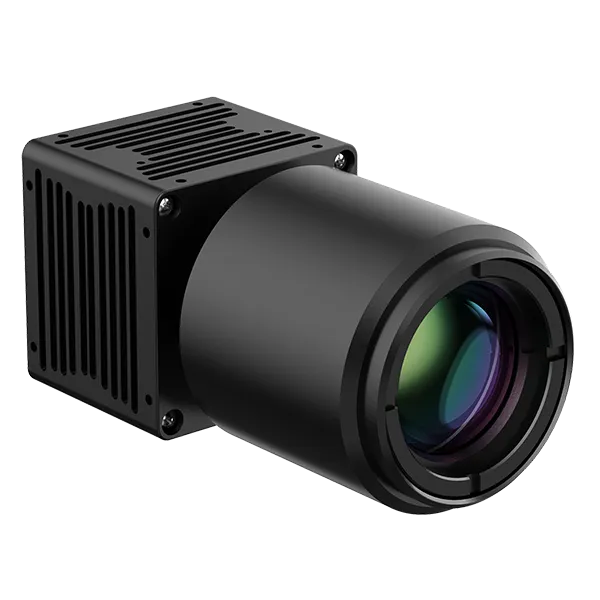
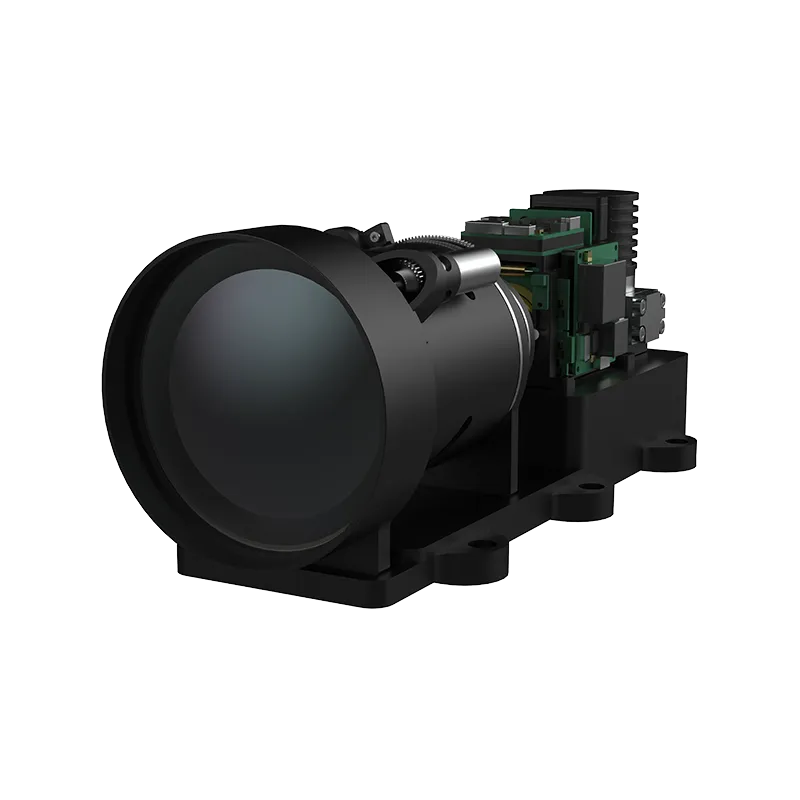
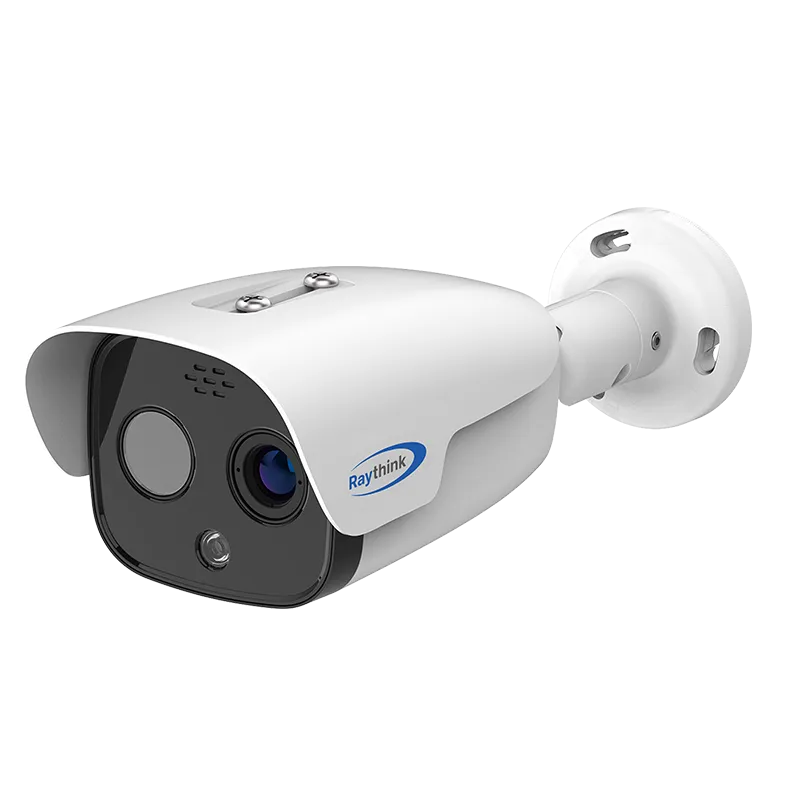
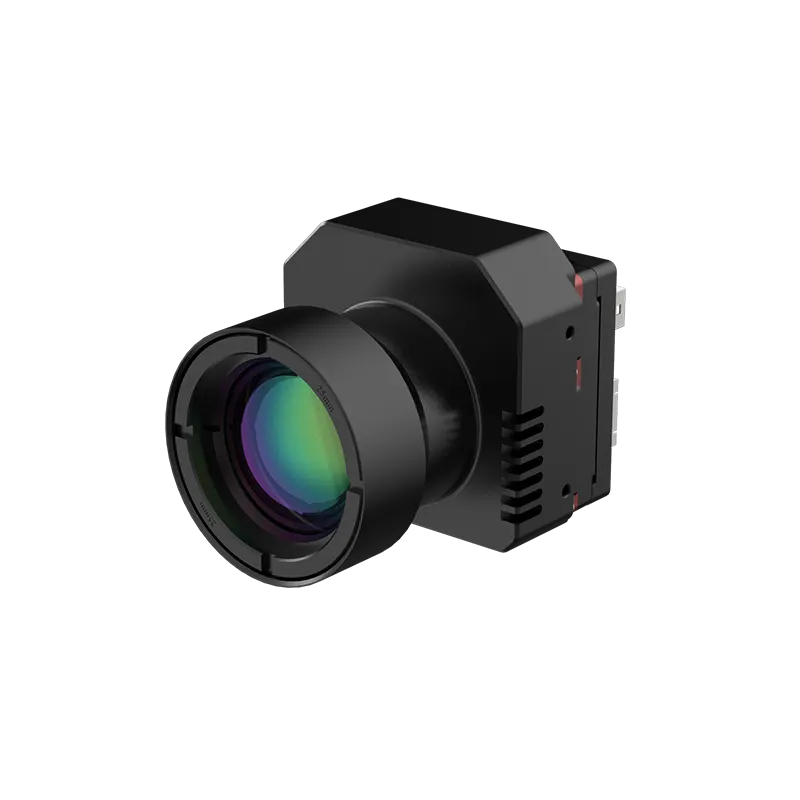
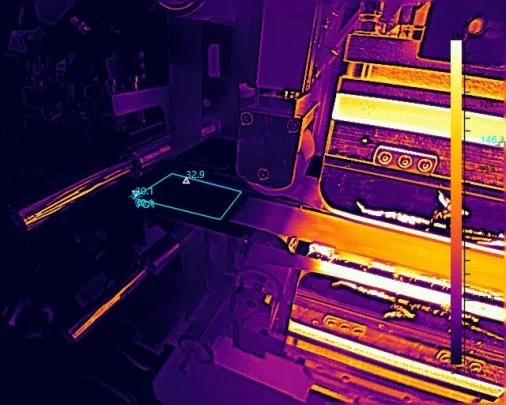
Thermal imaging cameras are essential tools in various industrial applications. In industrial production, many devices operate under high temperatures, high pressures, or high-speed conditions. Industrial thermal cameras can detect and monitor the safe operation of these devices while also identify anomalies to address potential hazards in time .
Therefore, choosing the right industrial thermal camera can significantly impact the efficiency and effectiveness of your industrial operations. Here’s a comprehensive guide to help you select the best thermal imaging camera for industrial use.
1. Factors to Consider When Choosing the Thermal Imaging Camera for Industrial Use
1) Define Your Application Needs
Before choosing an industrial thermal camera, it’s crucial to understand the specific applications you need it for. Different applications have different requirements for thermal camera specifications.
Here we will give you some industrial applications examples to explain this point:
① Steel Industry (Blast Furnaces and Converters)
- Application:Monitoring the erosion and wear of refractory materials.

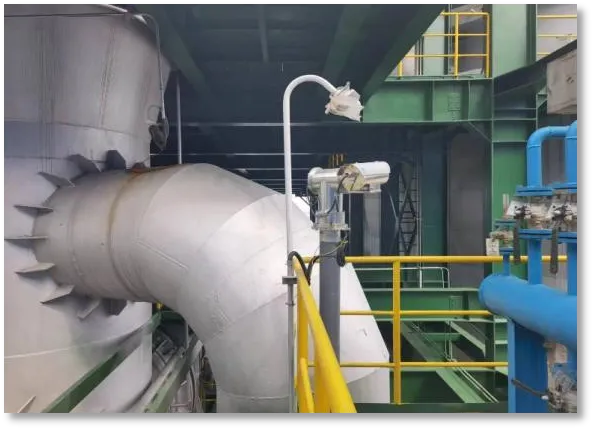
- Requirements:A high-temperature measurement range to accommodate the extreme temperatures of blast furnaces and converters; high resolution to clearly detect minor changes in refractory materials; a durable design to withstand harsh operating conditions.
- Application:Monitoring the operation of production equipment and pipelines, detecting sediment formation, flow blockages, and thermal insulation material degradation.


- Requirements:A medium to high-temperature measurement range suitable for petrochemical production equipment; high thermal sensitivity and image clarity to identify potential heat leaks and insulation degradation; chemical resistance to handle corrosive substances in the petrochemical environment.
After clarifying the application requirements, you can choose different product specifications to meet these requirements. In the next section, we will explain the impact of different product specifications on the application to help you with this.
2) Choose the Right Industrial Thermal Camera Specifications
① Temperature Range
The temperature range is the entire temperature range (span) that a thermal imager is calibrated and able to measure.
Some industrial thermal cameras have multiple spans to measure a wider temperature range more precisely. Each industrial thermal camera model has its own specific temperature range (span). Therefore, the user’s target temperature range (span) must be considered accurately and thoroughly. Choosing a industrial thermal camera with a higher temperature range is especially important for certain industrial applications, such as measuring boilers, kilns, or furnaces.
When a product offers multiple temperature ranges, how should you choose?
Taking the Raythink CX200 SE+ Handheld Thermal Camera as an example, see the image below:

The temperature ranges listed are:
- -20℃~+150℃
- 100℃~+400℃
When using a thermal imaging camera to observe temperature processes, it is recommended to select the automatic temperature range switching if the temperature range covers both ranges.
② Field of View (FOV)
The field of view is determined by the thermal imaging camera lens and detector resolution, it represents the maximum spatial angle range observable by the camera when it is fixed in position.
| Lens Types | FOV | Testing Distance | Observation Range |
| Ultra-Telephoto Lens | Around 7° | 4 m | 0.5m |
| Telephoto Lens | Typically 12°, 14°, 15° | 2 m | 0.5m |
| Standard Lens | Around 25°, 28° | 1 m | 0.5m |
| Wide-Angle Lens | Typically 45°, 49° | 1 m | 1m |
| Ultra-Wide-Angle Lens | Around 91°, 92° | 1 m | 2m |

At the same measurement distance, the larger the FOV of the infrared lens, the greater the measurable range. When the object being measured is large and space is limited, a wide-angle lens is suitable. Conversely, when the object being measured is small and located at a further distance, a telephoto lens is more appropriate.
In the actual use scenarios, different observation scenarios may be encountered at the same time, at this time, we can consider purchasing products with interchangeable lenses. Take Raythink’s RT630 for example, users can choose different lenses according to the actual needs at the factory of the product.
| Lens Types | FOV | Observation Distance | Observation Range |
| Ultra-Telephoto Lens | 7° | 4 m | 0.5m×0.4m |
| Telephoto Lens | 14° | 4 m | 1m×0.8m |
| Standard Lens | 25° | 1 m | 0.4m×0.3m |
| Wide-Angle Lens | 45° | 1 m | 0.8m×0.6m |
③ Spatial Resolution/Instantaneous Field of View(IFOV)
We typically use “mrad” to represent spatial resolution.
Take some handheld industrial thermal camera models from Raythink as examples to help you better understand IFOV. Please see following chart:
From the above data, you can see that generally, the smaller the spatial resolution, the smaller the pixel area an industrial thermal camera can detect. In other words, the smaller the spatial resolution, the smaller the target that can be detected at the same distance, or the same target that can be measured at a greater distance.
Typically, lenses with smaller resolutions are used for outdoor applications, such as inspecting higher insulators, line clamps, and cable joints on power lines.

④ Infrared Resolution
The resolution of an infrared detector refers to the number of thermal imaging pixels. The higher the resolution, the more observation points and measurement points there are. It allows smaller targets to be observed and measured at greater distances.
Typical infrared thermal imaging resolutions include 120×90, 256×192, 384×288, 640×512, 800×600, and 1280×1024 pixels. Higher resolutions also mean higher product costs.
When choosing an industrial thermal imaging camera, it depends on your needs: when you are close to the measurement target or need to observe the overall temperature of a larger object, you can choose a low-cost, low-resolution camera. Higher resolution is required for observing small details of an object, or at longer distances.
⑤ Thermal Sensitivity(NETD)
NETD, which is referred to as “thermal sensitivity” in technical specification chart, is actually defined as “Noise Equivalent Temperature Difference”. It is an important indicator for measuring temperature sensitivity and has a significant impact on the overall infrared system performance.
The smaller the NETD, the better the thermal sensitivity of the infrared thermal imaging camera. Taking the Raythink CX200 SE+ Handheld Thermal Camera as an example, the NETD value is <40mK, which indicates that when the temperature of the target object changes by 40mK or 0.04°C, our thermal imaging system can detect it. Typically, cooled infrared detectors have much higher sensitivity than uncooled infrared detectors, allowing them to detect finer temperature differences.
Note When Selecting NETD Parameters
It is important to note that some low-cost thermal imagers produced by certain manufacturers may obscure low sensitivity issues by stating the NETD at an ambient temperature of 50°C (NETD: XXmK, @50°C) instead of the industry standard of 30°C (NETD: XXmK, @30°C).
If your targets typically have a large temperature difference, the entry-level product with lower thermal sensitivity may be sufficient. However, for more subtle applications, such as detecting moisture issues, you will need a infrared thermal imager with higher sensitivity.
⑥ Focal Length
The focal length of an infrared thermal imaging camera can be fixed or adjustable, meaning the focus is unchangeable or user can manually/automatically adjust the focus on the camera. Generally, entry-level thermal imaging cameras have a fixed focal length, while high-performance thermal imaging cameras have manual or automatic focus adjustment capabilities. The advantages of manual focus and autofocus depend on the user’s requirements.
⑦ Spectral Range
The spectral range is the wavelength range detected by thermal imager sensors, measured in micrometers (μm). Most gas detection thermal imagers (such as propane, methane, and butane detectors) are mid-wave thermal imagers, meaning their spectral range is between 2 micrometers and 5 micrometers. Most thermal imagers are long-wave thermal imagers, with a spectral range between 8 micrometers and 14 micrometers.
Long-wave thermal imagers are suitable for applications like electrical inspections and fire rescue operations.

3) Check for Connectivity and Integration
Modern industrial thermal cameras often come with connectivity options such as Wi-Fi, Bluetooth, or USB. These features can facilitate easy data transfer, remote access, and integration with other tools and software systems. Ensure the camera you choose supports the connectivity options that fit into your workflow.
4) Review Software and Support
Thermal imaging cameras are often paired with software for data analysis and reporting. Ensure the camera comes with robust software that meets your needs, such as thermal analysis, reporting, and customization features. Also, consider the manufacturer’s support and warranty services related to the product, which can be critical for long-term reliability.
5) Choose a Reliable Brand
If you feel the above knowledge is too difficult to understand and you don’t have enough time to learn in detail, you can look at the brand. Generally, a good brand is accumulated gradually over several years of experience. Go online to find reviews and choose a brand that meets your application and has many good reviews.
2. Conclusion
Choosing the best thermal imaging camera for industrial use involves careful consideration of your specific needs, desired features, and budget. By evaluating thermal camera specifications, connectivity, software and support, you can make an informed decision that will enhance your industrial operations and ensure accurate and reliable thermal inspections.
If you are still confused about how to choose the best thermal imaging camera for your needs, welcome to contact us with your needs, we will recommend the right one for you.