With the rapid development of automotive technology, the maintenance industry is also becoming intelligent, facing challenges such as technological upgrading and talent shortage. As a non-contact and high-accuracy inspection tool, thermal cameras play an important role in automotive maintenance to enhance inspection efficiency and safety.
With the widespread adoption of new energy vehicles, the industry has witnessed the expanding application of thermal cameras, which have become an indispensable tool for automotive maintenance from research and development, manufacturing to after-sales.
The Role of Infrared Thermal Imaging in Automotive Maintenance
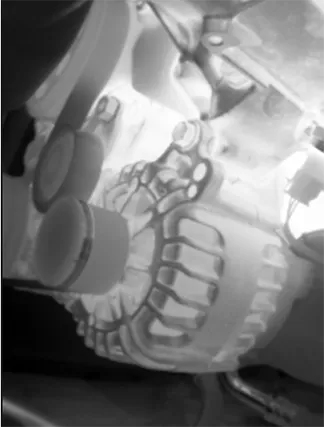
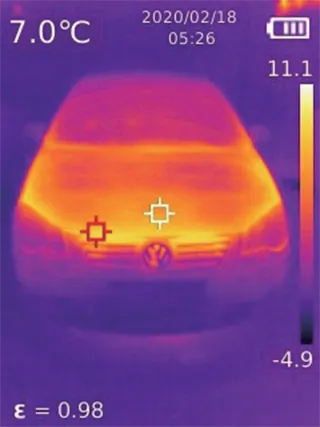
They provide real-time monitoring of temperature changes in various automotive components and accurate identification of fault areas, making them widely used in areas such as air tightness inspection for vehicle body, window heating wire monitoring, and diagnosis of exhaust pipe, brake pad, and engine temperatures. With infrared thermal imaging technology, maintenance personnel can quickly identify problems, avoid sudden faults, improve maintenance efficiency, and promote the intelligent development of the industry.
Infrared Thermal Imaging Application in Automotive Maintenance
1. Engine Fault Diagnosis
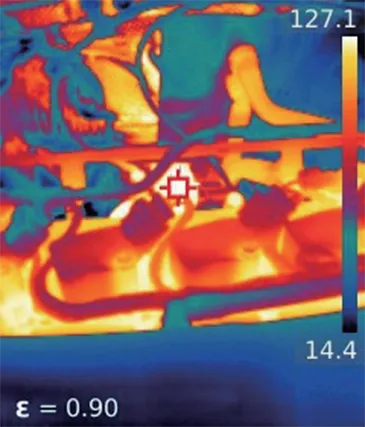
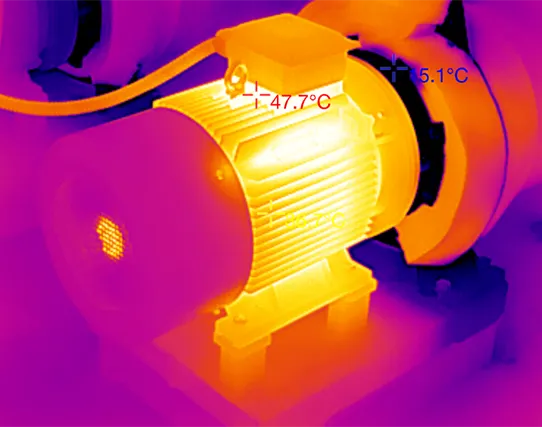
In traditional engine inspections, maintenance personnel rely heavily on vibration and noise testing to assess the overall structure, but struggle to identify subtle defects. In contrast, maintenance personnel can use thermal cameras to monitor temperature changes on the engine surface, thereby accurately identifying faults.
Each piston and cylinder wall of the engine has a different temperature. If an area is abnormally hot or cold, it may indicate a potential fault. For example, cylinder wall wear may lead to increased friction, thereby increasing temperatures. Thermal cameras provide intuitive monitoring of temperature anomalies and rapid identification of problem areas, significantly improving fault diagnostic accuracy and maintenance efficiency.
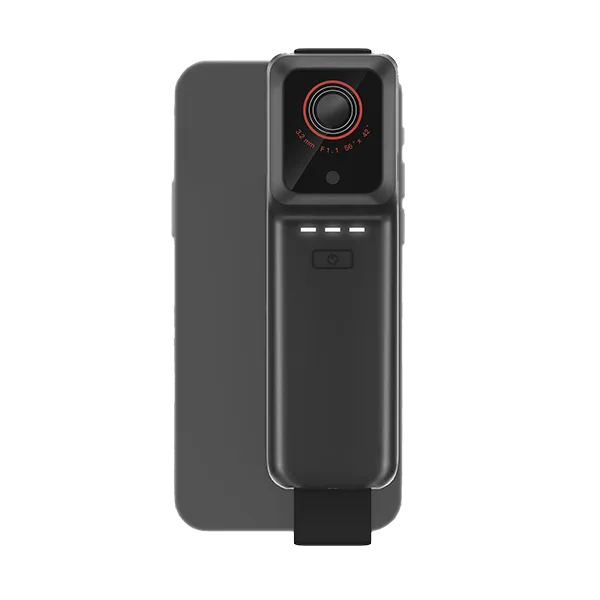
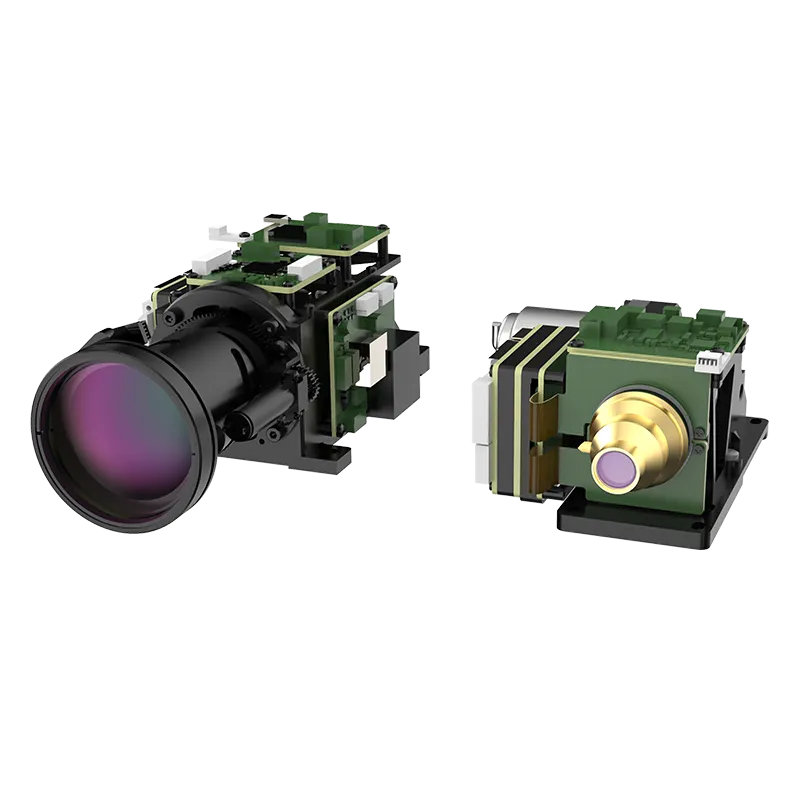
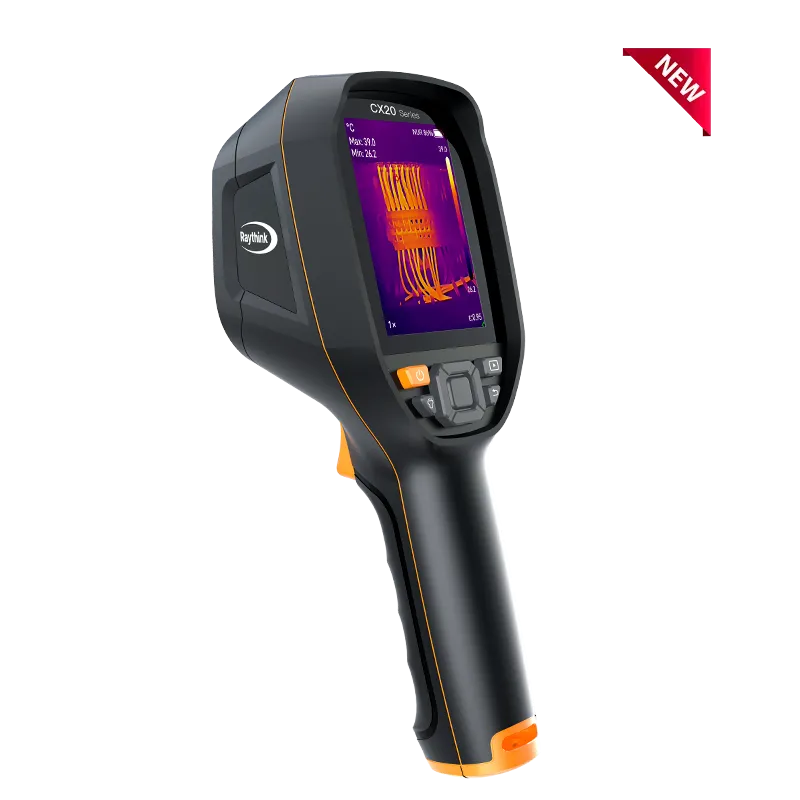
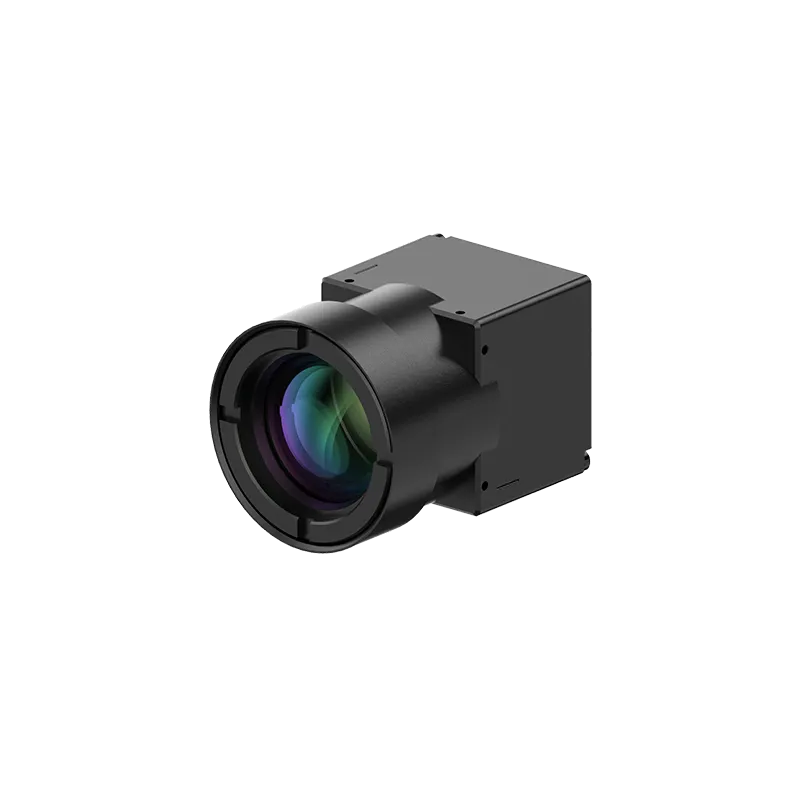
In addition, thermal cameras can be used for the inspection of tiny components, helping to identify and remove potential safety hazards promptly. Thermal cameras are designed to meet different maintenance needs, such as a fixed camera mounted on a workbench for long-term monitoring, or a handheld device for flexible diagnosis.
2. Brake Pad Fault Diagnosis
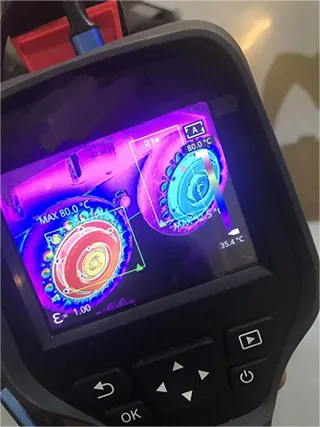
The brake system mainly consists of the brake pedal, hydraulic circuit, caliper, brake pads, and discs. Temperature not only affects the performance of brake pads, but is also an important indicator of their braking and wear resistance.
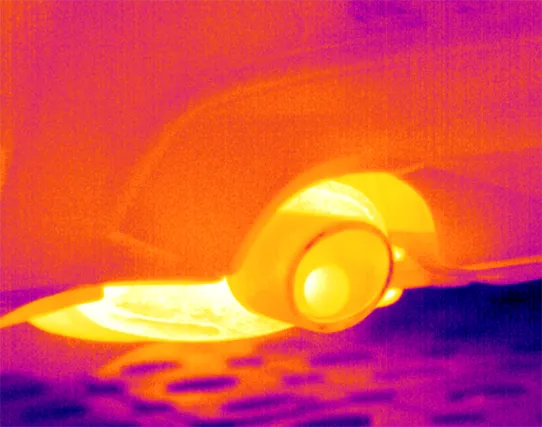
Therefore, when a thermal camera is used for brake testing, temperature changes can be used to determine whether the friction material of the brake pads is appropriate. If the temperature rises sharply after braking, it indicates that the friction material is too soft, which may lead to a decrease in braking performance; if the temperature trend is slower, it indicates that the material is hard, which may accelerate the wear of the brake pads and discs, and increase the risk of brake failure during emergency braking.
Thermal cameras provide intuitive monitoring of temperature changes in brakes and brake humps, which help to identify potential faults promptly, ensuring the safety of the braking system and reducing the risk of accidents.
3. Tire Performance Diagnosis
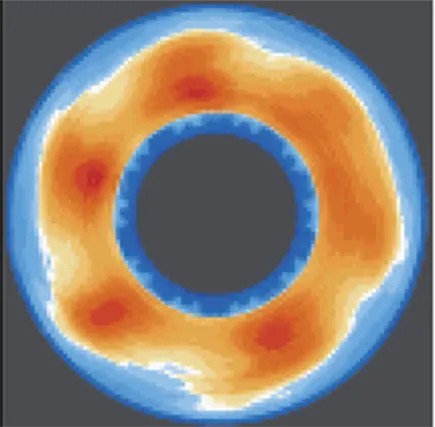
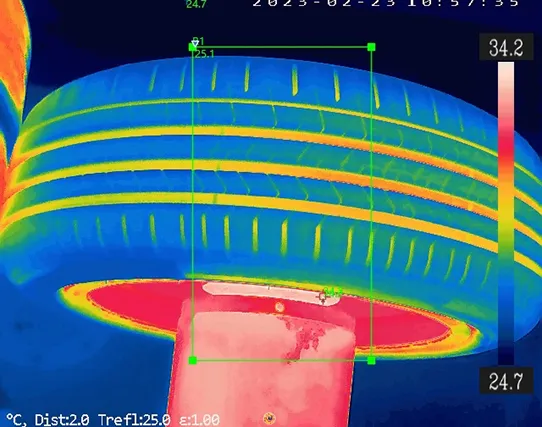
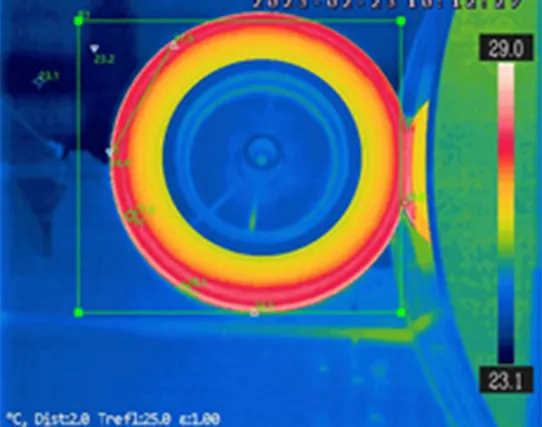
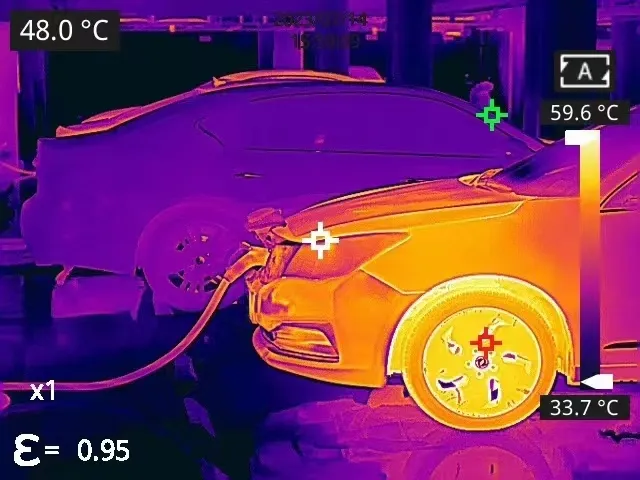
The tire is an important part of the vehicle, responsible for bearing gravity, transmitting power, braking, and steering. Its performance is directly related to driving safety. Tire surface temperature is a key parameter affecting traction and tire pressure, which provides an intuitive reflection of the tire’s working status.
If the temperature is too high, the tire pressure increases, leading to increased tire wear; if the temperature is too low, the traction is insufficient, which may affect the vehicle’s control and even trigger the risk of skidding. Thermal cameras provide temperature monitoring of the tire surface for accurate assessment of the tire’s working status, helping engineers optimize the choice of materials and improve tire performance, thereby increasing vehicle safety and stability.
4. Glass Heating Wire Inspection
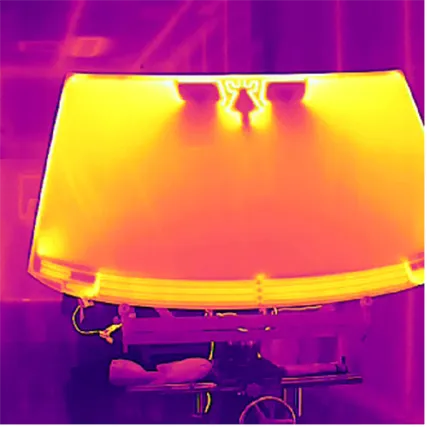
The clarity of automotive glass (including rearview mirrors) is critical to driving safety, and temperature changes directly affect its defogging and defrosting performance. The traditional thermocouple inspection method not only lacks efficiency, but also affects the temperature field of the glass itself due to temperature conduction, which interferes with the inspection results.
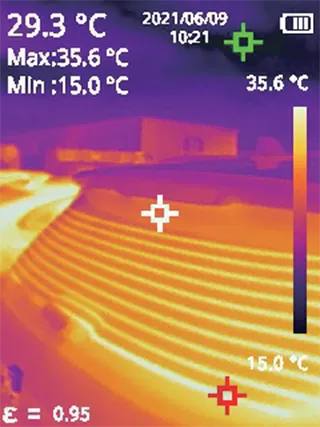
Thermal cameras provide intuitive views of the temperature distribution of the resistance wire in automotive windshields during the heating process, helping to optimize heating speed and temperature rise control, and to detect faults such as broken resistance wires and uneven heating. Temperature analysis of the rear windshield (or rearview mirror) enables accurate assessment of the distribution uniformity of the resistance wire and its heating effect. This avoids localized overheating and damage to the glass due to uneven heating, or even cracking due to thermal expansion and contraction. Infrared thermal imaging technology provides an efficient and accurate method of safety and reliability inspection for automotive glass heating systems.
5. Automotive Air Conditioning and Air Tightness Diagnosis
Poor air conditioning cooling in high summer temperatures or insufficient heating of the heating system in the winter can be caused by a faulty air conditioning system. Thermal cameras provide an accurate analysis of the temperature distribution for air conditioning coolers and heating systems to quickly locate faults and determine whether there are problems such as clogged air conditioning pumps, clogged condensers, compressor faults, and refrigerant leaks.
In addition, the overall air tightness of the vehicle directly affects the operational efficiency of the air conditioning system. By using a thermal camera, maintenance personnel can quickly and accurately locate leaks and assess the cooling effect of air conditioning outlets, which helps to make timely repairs to ensure that the air conditioning system works properly, thereby improving the comfort level inside the vehicle.
6. Exhaust Pipe Diagnosis
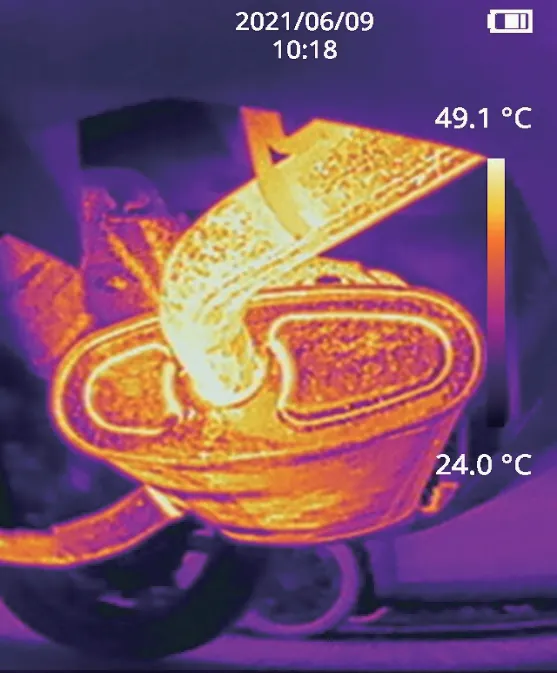
Abnormal exhaust pipe temperatures in vehicles may affect the normal operation of the engine system, chassis bearings, and electrical equipment. By using a thermal camera, maintenance personnel can monitor temperature changes in the exhaust pipe in real time, accurately locate anomalies, and prevent faults in advance. If the exhaust pipe temperature is too high, it indicates insufficient fuel combustion; if the temperature distribution is uneven, it indicates a structural defect or clogging problem in the pipeline. Infrared thermal imaging technology, featuring non-contact detection, real-time monitoring, and accurate diagnosis, helps engineers optimize the exhaust system design efficiently to ensure the safe and stable operation of vehicles.
7. Seat Heating Fault Diagnosis
Thermal cameras provide accurate thermal radiation signals captured from the seat heating components at work. With advanced image processing technology and algorithms, they convert the detected thermal radiation signals into an intuitive thermal imaging map. Without complex operation, technicians only need to observe the thermal imaging map to quickly locate faults, such as damaged heating components, poor wiring contact, etc. This technology not only significantly improves troubleshooting efficiency, but also effectively reduces maintenance costs and time, ensuring the stable operation of the seat heating system and user experience.

8. Temperature Monitoring for Lithium-ion Batteries in New Energy Vehicles
During the use of traction batteries, external forces such as collision, extrusion, puncture and vibration, as well as electrical abuse such as short circuit, overcharging and over-discharging, and even internal quality defects, may trigger thermal runaway, which may lead to battery fire or explosion, posing a serious safety hazard.
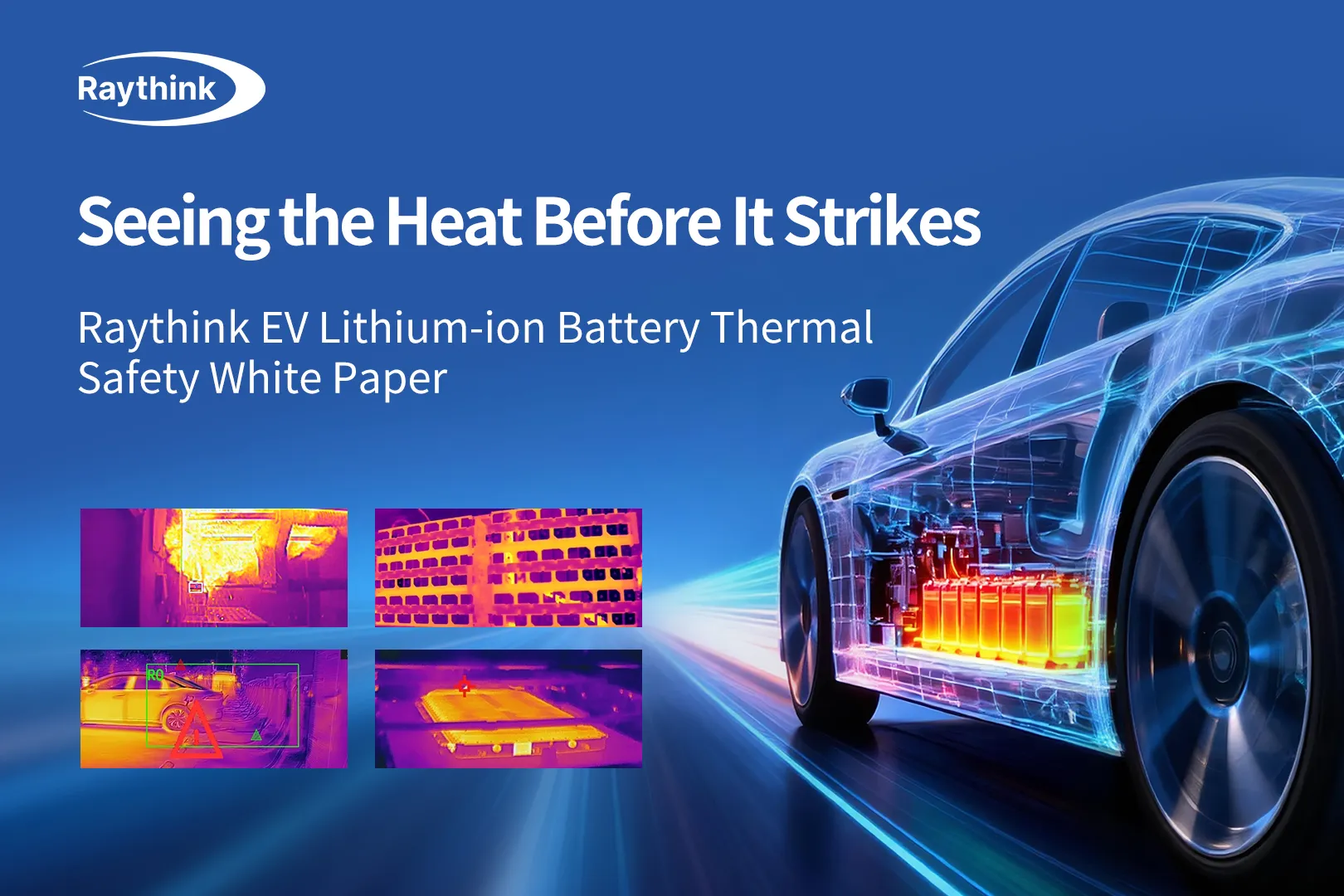
To improve the safety of traction battery packs, thermal cameras can be used for real-time monitoring of battery thermal runaway conditions. The cameras are designed to accurately identify abnormal temperature changes, delivering early warning and fault localization. The use of thermal cameras for monitoring and early warning during battery pack maintenance can effectively reduce the risk of thermal runaway, improve the safety of battery packs, and reduce accidents.
9. Hot Riveting Process Monitoring for Automotive Dashboard Frame
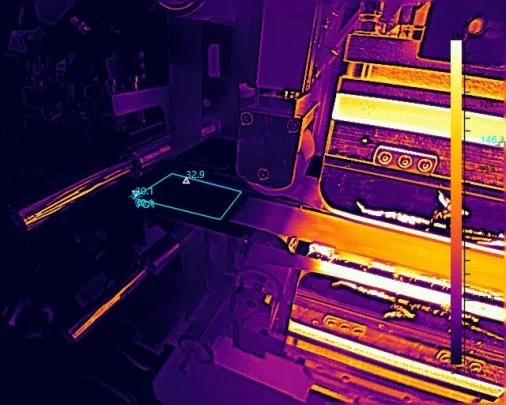
The hot riveting process for automotive dashboard frames is an efficient connection technology, where rivets are heated to expand and then inserted into the component, and then cooled to form a solid connection. To improve riveting quality and production efficiency, thermal cameras provide intelligent monitoring of the entire process. The visual monitoring of real-time temperature helps to ensure the temperature uniformity of the riveting process, to avoid localized overheating or underheating, and to improve the strength of the riveted joint. With intelligent linkage control, thermal cameras can also work with heating devices to regulate heating time accurately, optimize process parameters and reduce energy consumption. At the same time, thermal cameras are also used for process quality inspection, identification of cracks, voids and other potential defects during the riveting process, and early warning and optimization to effectively reduce the rate of non-conforming products, making automotive dashboard manufacturing more efficient and reliable.

10. Temperature Monitoring for Automotive Die-casting Molds
The hot casting process is widely used in the manufacture of vehicle engines and body shells. The precise control of the mold temperature is critical to ensure the quality of the devices. For this reason, it is necessary to perform real-time monitoring of the mold temperature before and after die casting, including the preheating temperature before die casting and the cooling temperature after water spray cooling. With intelligent linkage to the die-casting PLC system, thermal cameras provide fully automated monitoring of the mold temperature to ensure temperature uniformity, reduce defects, and improve production efficiency. At the same time, the system can completely record the mold production temperature data to provide an accurate basis for quality traceability and process optimization, making die-casting manufacturing more intelligent, efficient and reliable.

11. Temperature Monitoring for Automotive Gluing Processes
Automotive glue application is a relatively important process in welding workshops and assembly workshops during automotive production. As a result of the distance between the glue injector nozzle and the actual heating sleeve of the gluing machine, there may be an inconsistency between the heating of the gluing machine and the actual glue output temperature. Changes in the ambient temperature and long-term production line stopping may affect the temperature of the glue injector nozzle, which may result in poor glue application, such as uncoated glue, stacked glue, and drawn wire during production, thereby leading to serious quality problems in the whole vehicle. Therefore, the fixed thermal camera TN430 can be used for all-weather online operation, which realizes 24-hour automatic monitoring, imaging, and temperature measurement of the glue injector nozzles without manual on-site inspection, thereby saving a lot of manpower.

12. Leakage Detection of Battery Cover for New Energy Vehicles
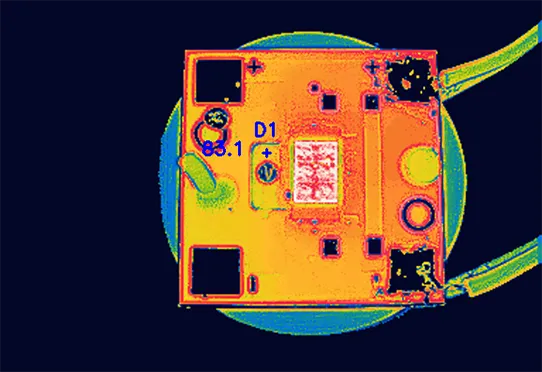
In traction battery applications, poor welding between electrode tabs or terminals and busbars may lead to sparking and ablation of the weld during high-current discharging or even trigger battery explosion or leakage, posing a serious threat to the battery’s safety. Battery leakage not only causes performance degradation and damage but may also pose a safety hazard.
At present, common resistance detection methods, air pressure detection methods, VOC detection methods, mass spectrometry, and visual inspection methods can be used to detect battery leakage. However, it is difficult to realize rapid, intuitive, and accurate detection. In contrast, thermal cameras make use of the reflection, refraction, and scattering characteristics of different liquids on infrared light to capture the temperature difference between the leaking area and the battery surface, enabling efficient and accurate real-time monitoring. This technology not only helps to quickly locate the spot and scope of battery leakage, but also improves the efficiency of battery quality inspection, contributing to the improvement of battery safety performance.
13. Automotive LED Fault Detection
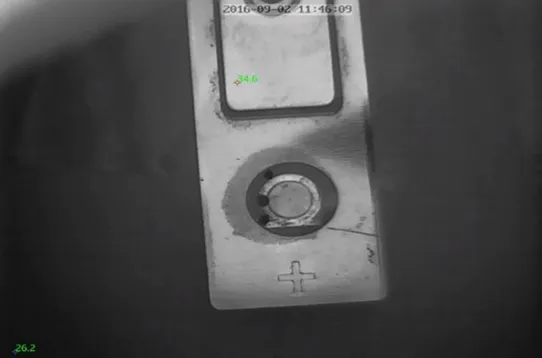
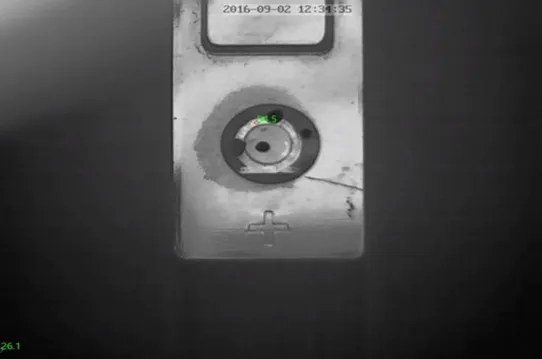
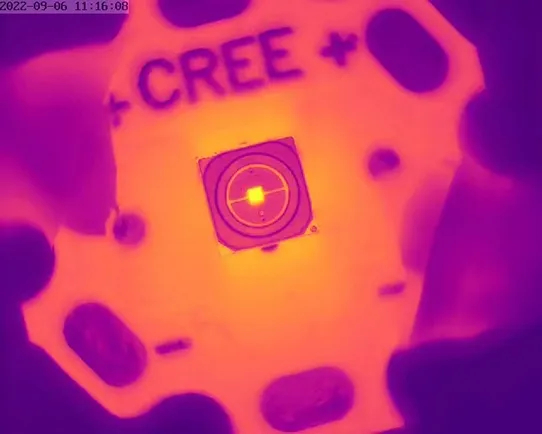
An LED indicator consists of dozens to hundreds of LED beads. During the inspection process, it is difficult for the naked eye to accurately identify the light-emitting situation of the beads, making it impossible to identify defects promptly. Using a thermal camera with a macro lens, technicians can obtain intuitive monitoring of the LEDs’ operating status based on the thermal energy distribution to accurately identify bead defects, such as abnormal heating, circuit breakage or failure. At the same time, this technology also provides an effective analysis of the luminous efficiency of LEDs, contributing to the optimization of lighting performance and the improvement of product quality and production efficiency.
14. High-Temperature Warning and Monitoring for New Energy Charging Piles
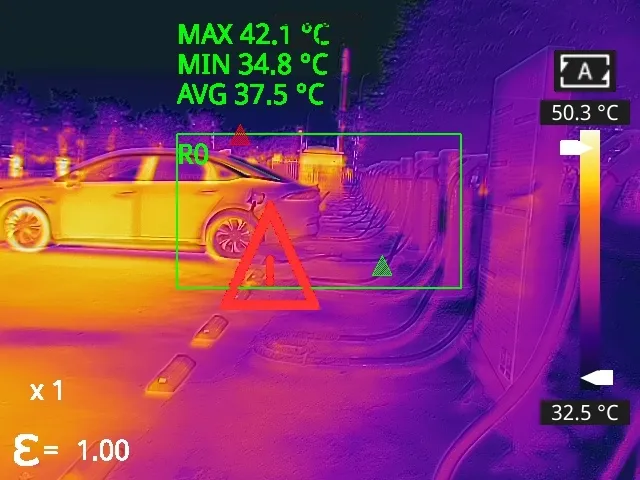
With the accelerated development of the new energy vehicle industry, high-voltage and high-current modes are gradually adopted in charging piles, and the safety requirements are subsequently improved. It is critical to prevent fire hazards. The earlier a fire is detected and contained, the fewer economic losses can be incurred. Ordinary smoke detectors provide alarms only after smoke has been produced. In contrast, thermal cameras provide early warnings of abnormal temperatures, helping to identify fire risks earlier.
Thermal cameras provide 24/7 visual monitoring of charging pile temperatures. By detecting changes in the surface temperature of charging interfaces and lines, they provide timely warnings of abnormal temperature fluctuations to ensure the safe operation of charging piles. Thermal cameras support temperature measurement areas by customizing points, lines, and areas with accurate coverage of high-temperature hazardous areas, such as connecting cables, chargers, contact points, distribution boxes, etc. With a multi-level early warning mechanism, the cameras provide quick localization of problematic areas, contributing to intelligent monitoring and safety protection.
Advantages of Thermal Imaging Technology
Infrared thermal imaging technology, featuring non-contact detection, high-accuracy temperature measurement, and visual analysis, is reshaping the diagnostic process in the automotive maintenance industry, providing innovative solutions for fault localization, preventive maintenance, and efficiency improvement. The specific advantages and features are as follows:
- Non-contact temperature measurement supports comprehensive scanning and inspection during vehicle maintenance, which is easy to operate.
- Real-time temperature monitoring supports area temperature data and historical data analysis, which can help users scientifically analyze the temperature distribution and changes in the monitoring area.
- Temperature change records and temperature curve generation for the entire process provide effective data support for engineers to follow up.
- The support of temperature alarm and temperature rise alarm configuration allows automatic alarm after exceeding the threshold and supports linkage image capture and video taking.
- The dual-spectrum device supports visible light and infrared dual-spectrum fusion, which facilitates accurate identification and quick localization of abnormal temperature spots.