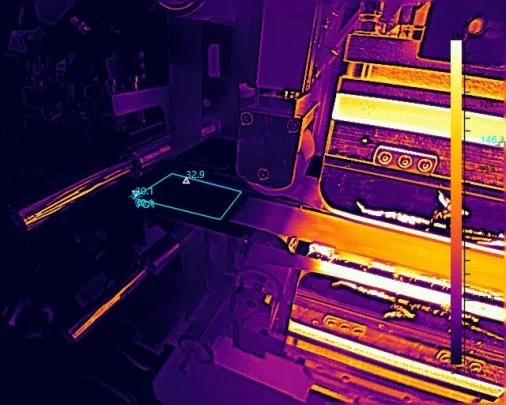
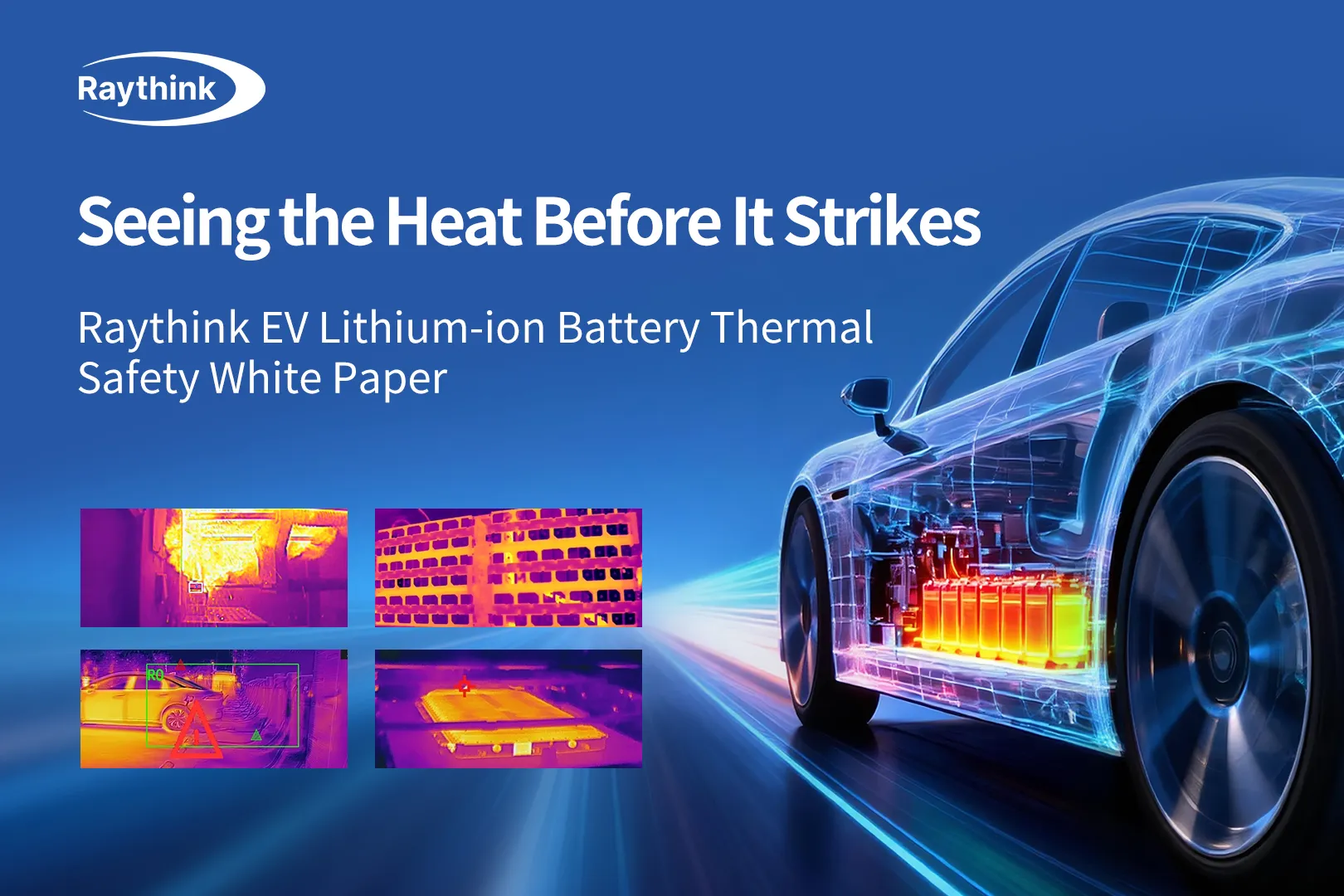
With the continuous advancement of industrial automation and safety management, thermal imaging technology has evolved from being a single detection tool into a vital component of production operations and safety assurance. Whether in industrial electrical equipment inspection, mechanical maintenance, or production line process monitoring, thermal imaging cameras for industrial use—thanks to their non-contact temperature measurement, fast response, and visualized temperature display—can efficiently identify potential risks, enhance inspection efficiency, and play an irreplaceable role in ensuring production safety and process stability.
In practical applications, thermal imaging cameras are commonly available in two primary forms: handheld and fixed-mounted. Many enterprises often face a dilemma when choosing between the portability of handheld models and the long-term monitoring capability of fixed-mounted systems. In fact, the two are not mutually exclusive; rather, each offers distinct advantages and can be flexibly combined according to specific operational requirements. In numerous high-standard industrial environments, handheld and fixed-mounted solutions are frequently deployed in tandem to achieve comprehensive and precise thermal monitoring.
This article examines their respective advantages, application scenarios, and selection strategies, aiming to provide enterprises with a thorough understanding of the suitability of both types of thermal imaging cameras and to support informed, science-based decision-making.
1. Advantages of Handheld and Fixed Thermal Imaging Cameras
1) Flexibility
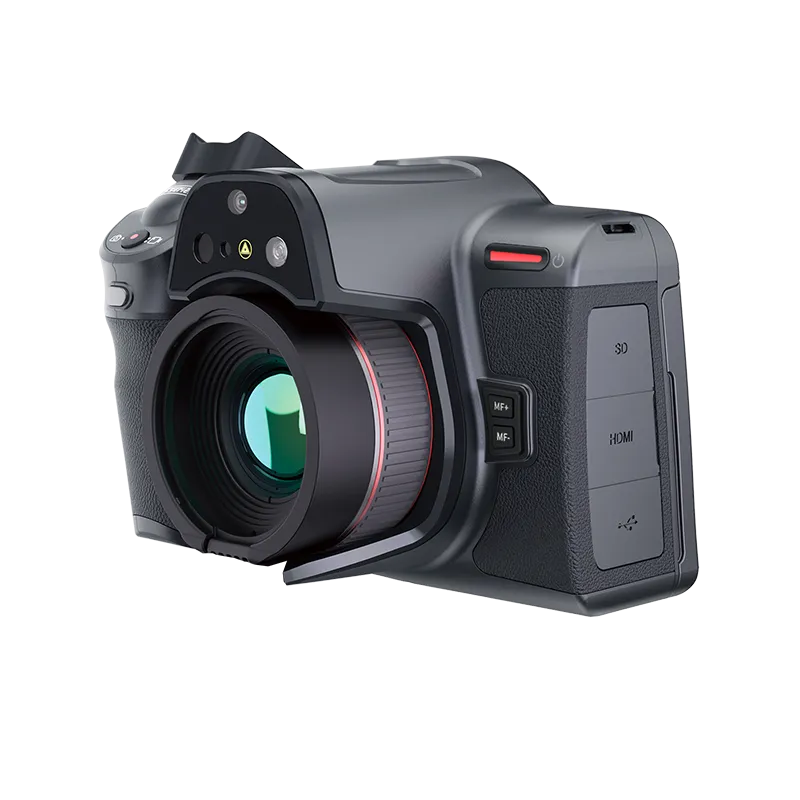
Handheld Thermal Camera: Compact and lightweight, it can be carried to different inspection points at any time, making it particularly suitable for multi-point and cross-area inspections.
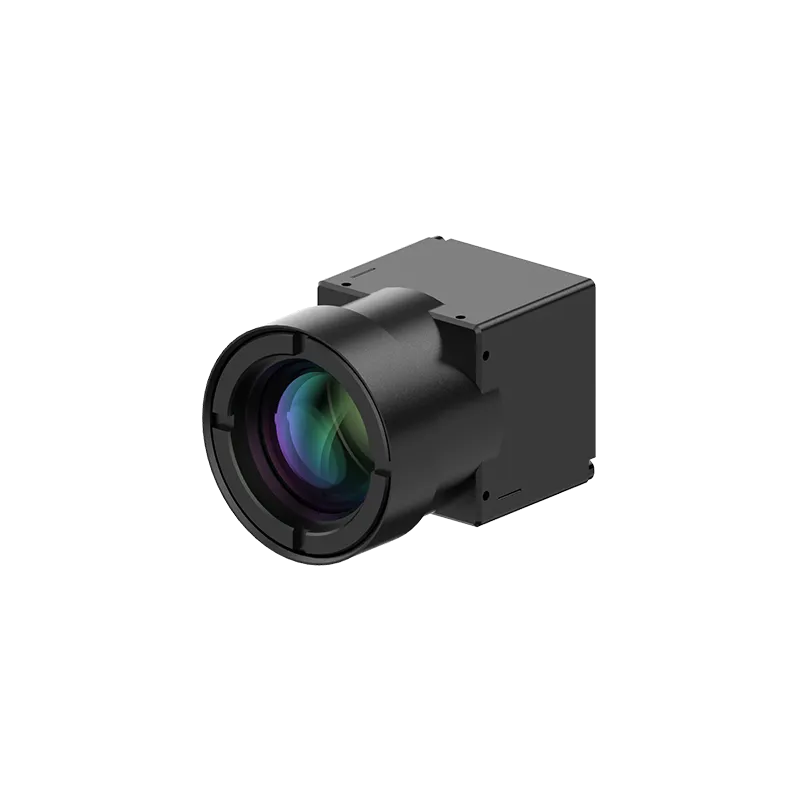
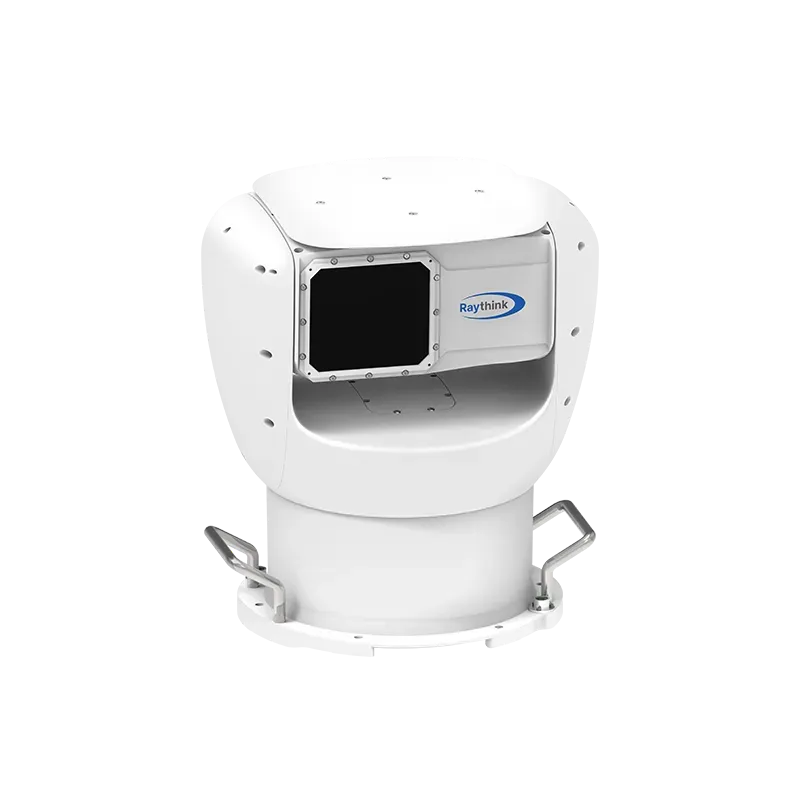
Fixed Thermal Camera: Once installed, it remains in a fixed position, making it less portable. However, it can stably cover target areas, ideal for long-term protection of key zones.
Interpretation: Handheld cameras are suitable for mobile, multi-point inspections, while fixed cameras are ideal for long-term monitoring of critical areas.
2) Power Supply
Handheld Thermal Camera: Powered by built-in rechargeable batteries, it is free from power constraints and convenient for mobile inspections.
Fixed Thermal Camera: Powered by an external source to ensure continuous 24/7 operation, without battery limitations.
Interpretation: Handheld cameras are more flexible and suitable for short-term or mobile scenarios. Fixed cameras are better suited for continuous, long-term monitoring.
3) Stability
Handheld Thermal Camera: Measurements can be affected by the operator’s distance, angle, and hand movements, leading to unstable coverage. Using a tripod can help improve stability.
Fixed Thermal Camera: Fixed installation ensures consistent measurement geometry and high data stability, making it suitable for long-term trend monitoring.
Interpretation: Handheld cameras are ideal for fast and flexible inspections, while fixed cameras are better for precise, continuous trend analysis over time.
4) Environmental Adaptability
Handheld Thermal Camera: The portable design allows access to narrow or complex spaces, suitable for temporary on-site inspections. It has some level of protection, but prolonged use in dusty, humid, or corrosive environments may affect lifespan and accuracy.
Fixed Thermal Camera: Can be equipped with professional protective housings (high IP rating, heating or cooling, corrosion-resistant, dust-proof) to operate stably in harsh conditions such as high temperature, high humidity, or heavy dust.
Interpretation: Handheld cameras are more suitable for variable, temporary inspection scenarios, whereas fixed cameras are better for high-risk, long-term, and intensive continuous monitoring.
5) Alarm and Integration
Handheld Thermal Camera: Relies on the operator to observe thermal images in real time and make judgments. Supports photo and video recording for documentation, suitable for on-site inspections and reporting.
Fixed Thermal Camera: Can be integrated with PLC, DCS, fire systems, or IoT platforms to detect temperature anomalies in real time and trigger alarms, shutdowns, or sprinkler systems.
Interpretation: Handheld cameras are suitable for manual confirmation and spot checks, while fixed cameras are ideal for unattended automated alerts and integrated control.
6) Cost and Deployment
Handheld Thermal Camera: Lower product cost, no wiring required, ready to use out of the box. Suitable for SMEs, temporary inspections, or low-budget scenarios.
Fixed Thermal Camera: Requires higher upfront investment, wiring, and installation, but reduces labor costs over time and provides higher monitoring efficiency and long-term ROI.
Interpretation: Handheld cameras are cost-effective and flexible; fixed cameras are better for long-term, high-value monitoring needs.
7) Safety
Handheld Thermal Camera: Requires personnel to approach equipment or hazardous areas, posing potential risks from heat radiation, live electrical components, or toxic environments.
Fixed Thermal Camera: Enables continuous remote monitoring of dangerous areas, avoiding personnel entry and improving operational safety, especially in high-temperature, high-pressure, or flammable/explosive environments.
Interpretation: Fixed cameras are better for hazardous scenarios to ensure inspection safety, whereas handheld cameras are suitable for quick checks in non-hazardous conditions.
2. Application Scenarios of Handheld and Fixed Thermal Imaging Cameras
1) Production Equipment Inspection and Maintenance
Handheld Thermal Camera: Suitable for daily inspections or rapid anomaly detection of motors, pipelines, pumps, valves, and various transmission devices.
Fixed Thermal Camera: Capable of continuous online monitoring of key units and core production line equipment, performing long-term temperature trend analysis and fault prediction.
Interpretation: Handheld cameras are ideal for scheduled or temporary inspections, allowing further analysis after anomalies are found. Fixed cameras provide real-time insights into equipment status, reducing the frequency of manual inspections.
2) Production Line / Process Monitoring
Handheld Thermal Camera: Can perform spot checks on critical stages to quickly verify whether temperature changes meet process requirements, suitable for short-term inspections.
Fixed Thermal Camera: Ideal for 24/7 monitoring of continuous production lines or core processes, with real-time alarms and integration with control systems for timely shutdowns.
Interpretation: Handheld cameras are suitable for rapid confirmation of process status; fixed cameras are better for full-process management, trend analysis, and automated alerts.
3) Safety and Protection
Handheld Thermal Camera: Used for rapid detection and localization of local leaks, hotspots, or fire points, focusing on emergency inspections.
Fixed Thermal Camera: Provides continuous monitoring in hazardous areas (high temperature, high pressure, flammable/toxic environments), with automatic alarms and control system integration.
Interpretation: Handheld cameras are geared toward temporary inspections; fixed cameras are better for continuous, unattended protection, effectively reducing personnel risks.
4) Electrical Facility Monitoring
Handheld Thermal Camera: Suitable for flexible inspections of electrical cabinets, transformers, and other equipment during routine rounds. Quickly identifies temperature anomalies and pinpoints hazards, ideal for distributed and mobile inspections.
Fixed Thermal Camera: Suitable for 24/7 online monitoring of high-load distribution cabinets or key electrical equipment. Can be integrated into platforms for centralized management, automatic alerts, and system interlocks.
Interpretation: Handheld cameras excel in cross-area mobility; fixed cameras provide continuous and centralized monitoring of critical equipment.
5) R&D and Laboratory Use
Handheld Thermal Camera: Ideal for short-term experimental observation and rapid data verification, allowing flexible adjustments of measurement targets.
Fixed Thermal Camera: Suitable for long-term data collection and environmental temperature trend analysis, avoiding human interference and ensuring objective, stable results.
Interpretation: Handheld cameras are best for exploratory research and temporary experiments; fixed cameras are ideal for long-cycle experiments and trend recording, minimizing human influence.
3. How to Choose Between Handheld and Fixed-Mount Thermal Imaging Cameras
1) Temporary Troubleshooting or Long-Term Monitoring?
- Handheld Thermal Imaging Cameras: Suitable for low-frequency, periodic, or temporary inspections, such as monthly electrical system checks, quarterly mechanical maintenance, or quick diagnostics during abnormal production events. Their portability enables flexible, multi-point, and distributed inspections.
- Fixed-Mount Thermal Imaging Cameras: Designed for high-frequency, long-term, and continuous monitoring. Ideal for production lines, critical processes, or key equipment, fixed thermal imaging cameras provide 24/7 real-time surveillance and stable trend data, enabling early fault detection, minimizing unexpected downtime, and reducing safety risks.
2) Independent Use or System Integration?
- Handheld Thermal Imaging Cameras: Offer flexibility in independent operation, requiring no additional infrastructure for fast diagnostics and on-site inspection. They are particularly suited to enterprises without automated systems or those needing only single-point troubleshooting.
- Fixed-Mount Thermal Imaging Cameras: Can be integrated into PLC, DCS, or fire protection systems to enable automatic alarms, shutdown linkage, data archiving, and trend analysis. This makes them suitable for enterprises advancing toward digitalization and intelligent manufacturing.
3) On-Site Troubleshooting or Remote Intelligent Monitoring?
- Handheld Thermal Imaging Cameras: Useful for distributed or temporary monitoring points, offering quick local temperature checks. However, they require operators to approach equipment or hazardous environments, which may pose risks in high-temperature, high-pressure, flammable, or toxic conditions.
- Fixed-Mount Thermal Imaging Cameras: Permanently installed and often equipped with protective housings, they can operate continuously in harsh environments. They support unattended monitoring and automatic alerting, reducing personnel exposure risks while ensuring continuous surveillance of critical areas.
4) Low Initial Cost or Long-Term Return?
- Handheld Thermal Imaging Cameras: Feature lower upfront investment and are ready to use out of the box, making them suitable for SMEs or budget-limited applications. They quickly improve inspection efficiency and deliver immediate value at minimal cost.
- Fixed-Mount Thermal Imaging Cameras: Require higher initial investment but significantly reduce manual inspection expenses and unplanned downtime losses. Over time, they provide higher long-term returns and enhanced safety benefits, particularly for large-scale production enterprises.
5)Low Initial Cost or Long-Term Return?
- Handheld Thermal Imaging Cameras: Feature lower upfront investment and are ready to use out of the box, making them suitable for SMEs or budget-limited applications. They quickly improve inspection efficiency and deliver immediate value at minimal cost.
- Fixed-Mount Thermal Imaging Cameras: Require higher initial investment but significantly reduce manual inspection expenses and unplanned downtime losses. Over time, they provide higher long-term returns and enhanced safety benefits, particularly for large-scale production enterprises.
4. Raythink Product Recommendations
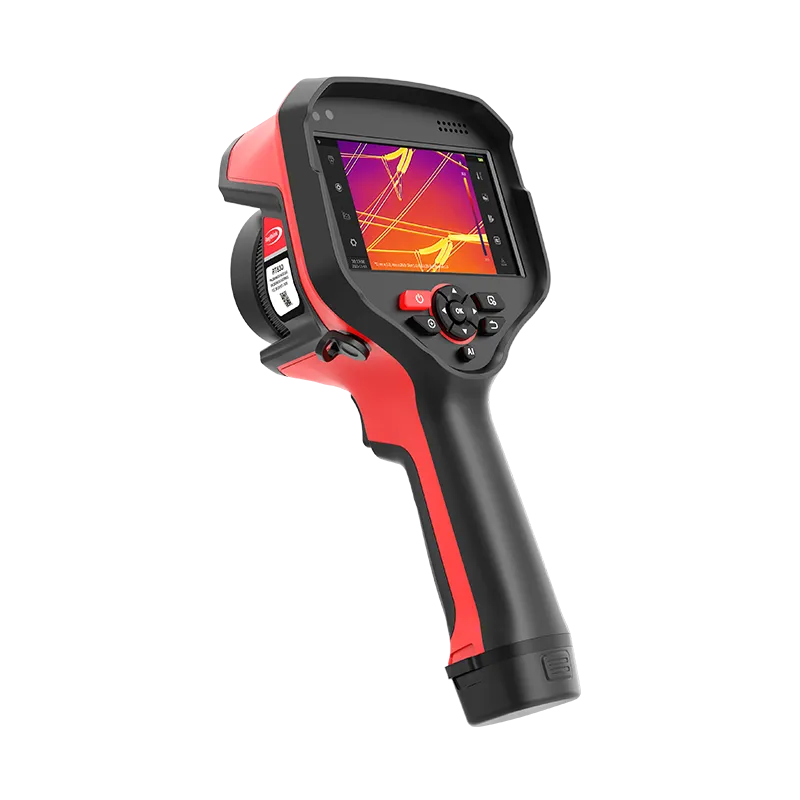
Handheld Thermal Imaging Cameras



Fixed Thermal Imaging Cameras
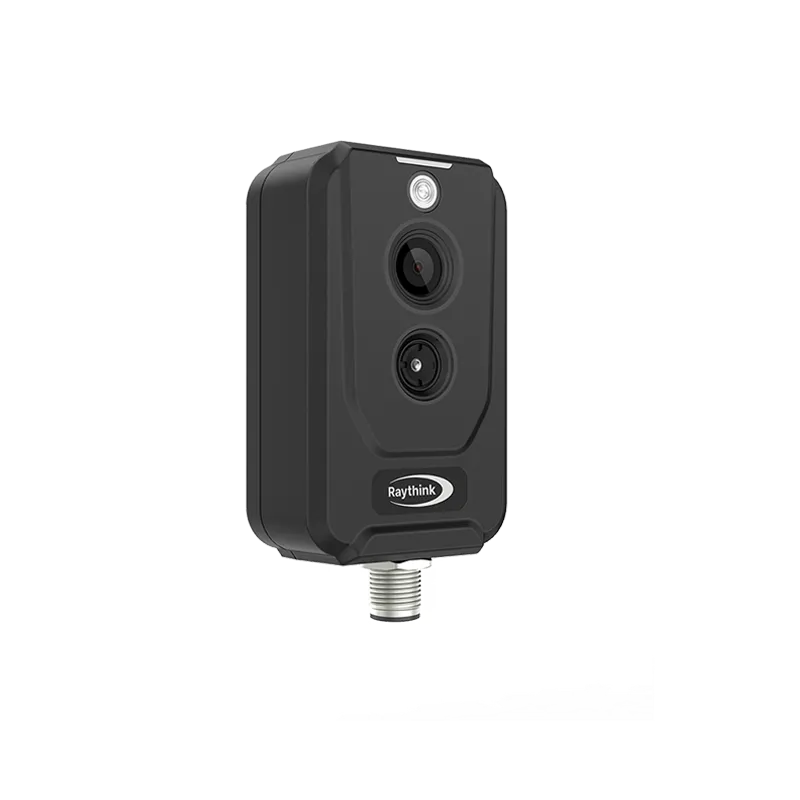


5. Conclusion
In modern industrial environments, abnormal temperature is often an early indicator of potential risks. Whether for routine inspections, temporary troubleshooting, or round-the-clock monitoring of critical processes, the proper use of industrial thermal imaging cameras can help enterprises achieve visualized, intelligent, and industrial safety management. By strategically configuring handheld and fixed devices, companies can not only improve inspection efficiency and reduce operational risks but also lay a solid foundation for building future digital factories.
As a professional provider of thermal imaging solutions, Raythink offers integrated products and services ranging from handheld inspections to fixed monitoring, enabling enterprises to enhance safety, efficiency, and sustainable development. Contact Raythink for expert solution recommendations.