1. The Importance of Outdoor Surveillance
In today’s increasingly complex public security landscape, outdoor surveillance has become a core component of security protection for businesses, public facilities, and special areas. Whether preventing illegal intrusions, deterring vandalism, documenting emergencies, or aiding post-incident investigations, outdoor security cameras play an irreplaceable role.
High-quality outdoor security cameras do more than just capture footage; they proactively deter potential threats by providing real-time monitoring and intelligent alerts. This creates the first line of defense for property safety, public order, and critical infrastructure security. With technological advancements, outdoor security cameras have evolved from simple recording devices into comprehensive security solutions integrating intelligent recognition, environmental adaptability, and remote control capabilities. Selecting the right product is therefore crucial.
2. Primary Application Scenarios for Outdoor Security Cameras
1) Commercial and Office Settings
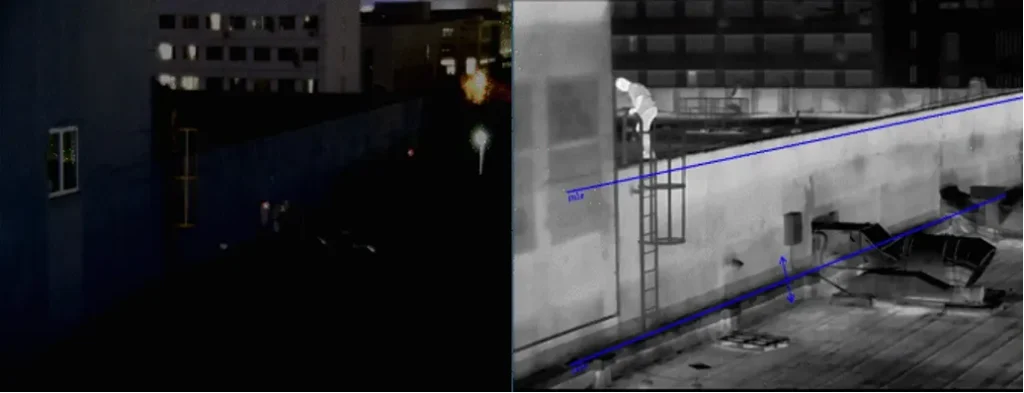
Including shopping malls, office buildings, retail stores, industrial parks, etc. Key monitoring areas encompass entrances, exits and perimeter boundaries of office complexes. Surveillance equipment must feature high-definition imaging, crowd flow counting, and abnormal behavior alerts. Certain scenarios also require multi-device coordinated management to accommodate complex campus layouts.
2) Industrial and Specialized Settings
These include factory premises, petroleum and petrochemical bases, power facilities, forestry areas, coal mining zones, and new energy power stations. Such environments demand surveillance equipment with exceptional environmental adaptability—capable of withstanding extreme temperatures, humidity, dust, and acid/alkali corrosion—while also featuring specialized functions such as fire detection, temperature monitoring, long-range surveillance, and gas leak alerts.

3) Public and Municipal Settings
Public areas such as parks, roads, schools, hospitals, railway corridors, and airport perimeters require surveillance equipment with wide-angle coverage and stable all-weather operation. Railway corridor monitoring must span long distances and complex terrain (bridges, tunnels, remote sections) to prevent risks including track sabotage, unauthorized entry, and foreign object intrusion. Airport perimeter protection must meet high security standards to prevent unauthorized personnel and vehicle access. It must also adapt to monitoring requirements across diverse zones like runways and aprons, supporting extensive coverage and centralized management.

4) Critical Infrastructure Scenarios
Water conservancy facilities (reservoirs, hydropower stations, water sources, etc.) require equipment with ultra-long standby time, extreme environment resistance, long-range detection, and intelligent analysis and early warning capabilities. Comprehensive reservoir security demands all-around, blind-spot-free monitoring, supporting scenario-based view switching and automatic patrols. Dual-spectrum fusion technology adapts to harsh environments like nighttime and intense glare. During flood seasons, continuous 24-hour water level monitoring is essential, with dual infrared and visible light modes precisely capturing motion. Infrared thermal imaging penetrates darkness to detect illegal night fishing without disturbing ecosystems. Simultaneously, it identifies floating debris on water surfaces and dam leakage points through temperature anomalies, mitigating environmental and safety risks.

5) Wilderness Conservation Scenarios
Primarily applicable to nature reserves, wildlife habitats, wetlands, forests, and similar areas, such as monitoring flora and fauna, detecting illegal hunting or logging, and documenting ecological environments. In these scenarios, surveillance equipment must be covert, capable of nighttime imaging, long-range detection, and low power consumption. Infrared thermal imaging technology precisely captures animal thermal signatures, making it an ideal choice for such environments.

3. Key Considerations When Selecting Outdoor Security Cameras
1) Image Quality and Night Vision Capabilities
Image quality directly determines the usability of surveillance footage, with resolution being a key metric. Mainstream outdoor cameras offer resolutions ranging from 1080p (Full HD) to 4K (Ultra HD). 4K resolution enables clear capture of facial features, license plates, and equipment details, making it suitable for scenarios demanding high identification accuracy.
Night vision capability is equally indispensable, as most security incidents occur at night or in low-light conditions. Equipment must feature reliable night imaging technology. Infrared thermal imaging cameras work in complete darkness by detecting thermal radiation from objects, providing clearly images even under challenging conditions such as fog, glare, or heavy rain. This technology is fully integrated into Raythink’s products, making it particularly suitable for 24/7 monitoring scenarios such as railways, airports, and wilderness ecosystems.
2) Weather Resistance
Outdoor equipment must endure prolonged exposure to natural environments, making weather resistance critical. This is typically indicated by the IP protection rating. IP66 is a common high-level rating for outdoor cameras, signifying complete dustproofing and resistance to powerful water jets. It ensures adaptability to diverse climatic conditions including rain, snow, extreme heat, and cold temperatures.
Additionally, the operating temperature range warrants attention. Premium outdoor cameras should function reliably within -40°C to 70°C, ensuring stable performance during extreme cold or heat. This represents one of Raythink’s core advantages, enabling seamless adaptation to complex climatic scenarios such as railway corridors, forestry zones, and wilderness conservation areas.
3) Field of View Coverage Capability
The coverage range of a device’s field of view determines its surveillance efficiency, depending on the lens focal length and angle of view. A wider field of view angle provides broader coverage, making it suitable for large-scale monitoring scenarios such as airport perimeters and expansive industrial sites. Telephoto lenses, on the other hand, are ideal for long-distance monitoring along railway lines, enabling clear capture of distant targets.
Some high-end devices support panoramic monitoring or PTZ (Pan-Tilt-Zoom) control, enabling 360° coverage without blind spots. They also allow remote adjustment of lens direction and focal length for flexible target tracking, enhancing surveillance comprehensiveness. This makes them particularly suitable for scenarios like airports, water conservancy facilities, and tracking migratory wildlife in the wild.
4) Power Options
The power supply method for outdoor cameras impacts installation flexibility and operational stability, primarily categorized as follows:
- Wired Power: Provides stable power but installation is constrained by outlet locations and requires cabling work, suitable for fixed areas like industrial parks and shopping malls.
- Battery Power: Offers flexible installation without cabling but requires periodic charging or battery replacement, ideal for temporary surveillance or remote locations.
- Solar Power: Energy-efficient and eco-friendly, suitable for remote locations without power access, reducing long-term maintenance costs.
- PoE Power (Power over Ethernet): Transmits both power and data through network cables, offering simplified wiring and high stability, ideal for centrally managed environments like commercial complexes and airports.
Selection should prioritize solutions with stable power supply and convenient installation, considering factors such as installation environment, maintenance costs, and surveillance distance.
4. Raythink Outdoor Thermal Security Camera Recommendations

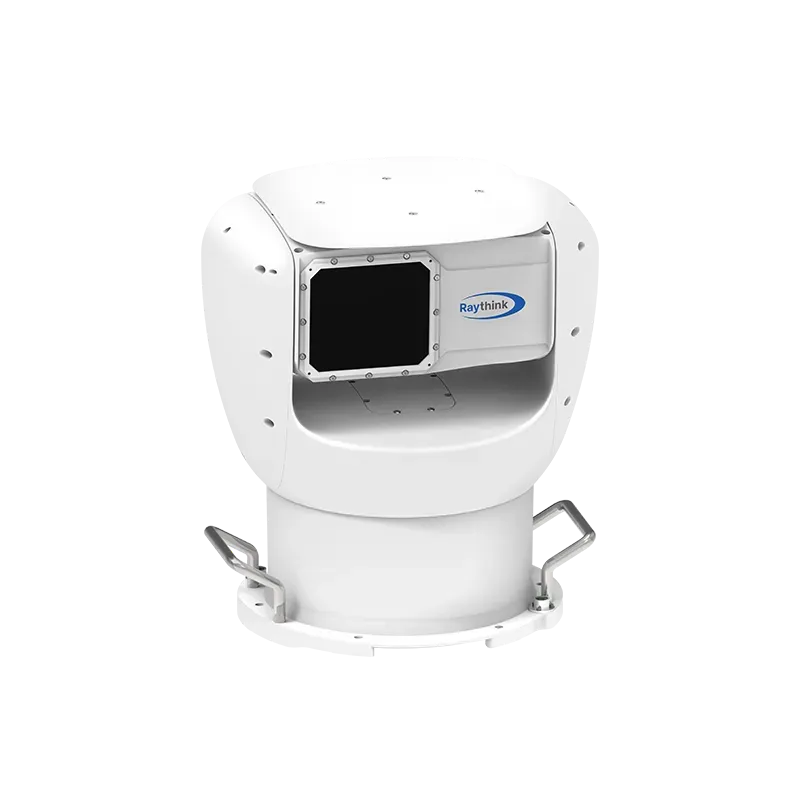
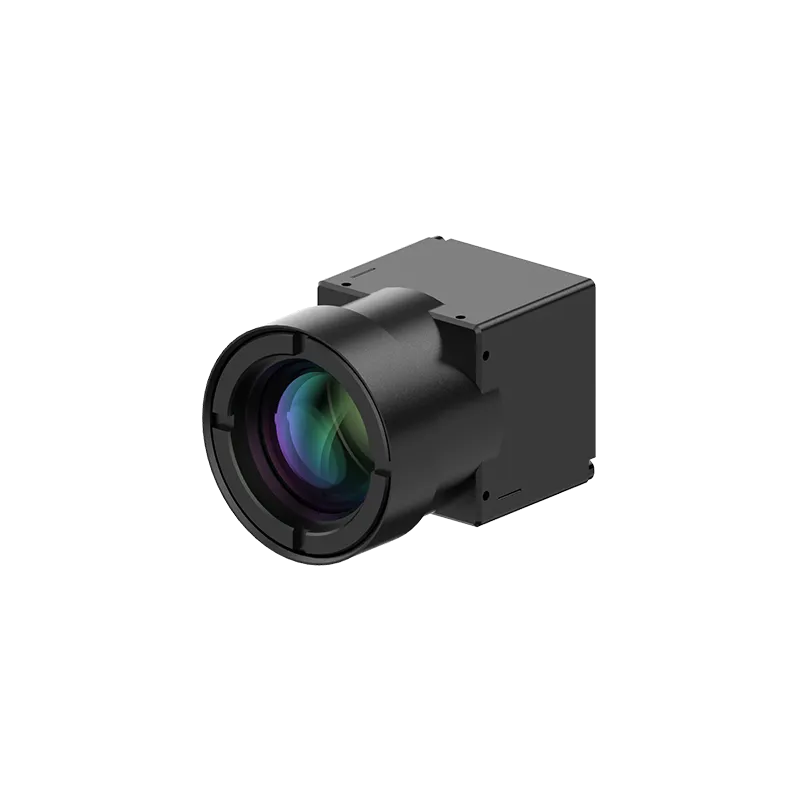
This camera is perfect for wide-area surveillance, equipped with a 12μm 1280×1024 high-definition thermal imaging sensor that enables 360° panoramic monitoring with no blind spots. It perfectly meets the security needs of large-scale areas such as airport perimeters and industrial complexes.

The FC465T employs dual-spectrum imaging technology, integrating a 12μm infrared thermal imaging detector with a 5-megapixel visible light sensor to enable 24/7 all-weather surveillance. During daylight hours, it relies on visible light to capture high-definition color footage, while switching to infrared thermal imaging mode at night. It operates effectively in challenging environments such as darkness, glare, and haze, making it suitable for scenarios including shopping mall perimeters, industrial park entrances, and areas surrounding hydroelectric power stations.

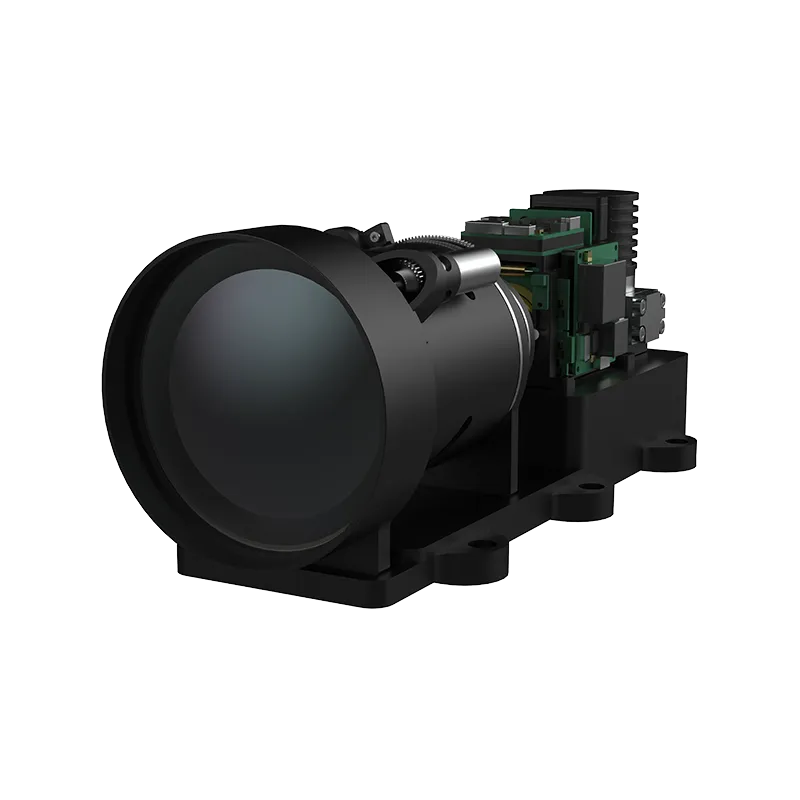
This dual-spectrum PTZ camera integrates infrared thermal imaging, high-definition visible light capture, and an intelligent pan-tilt unit. Equipped with proprietary AI recognition algorithms, it enables target identification and tracking, making it particularly suitable for medium-to-long-range security applications such as railway corridors, forest fire prevention, airport perimeter protection, and long-distance wildlife observation.
5. FAQs
1) What are the power supply options for outdoor security cameras?
Outdoor security cameras primarily offer four power supply methods: wired power (stable but installation-restricted), battery power (flexible but requiring regular maintenance), solar power (energy-efficient and eco-friendly, suitable for remote locations), and PoE power (transmitting both electricity and data via network cables for simplified wiring). Selection depends on the installation environment and specific requirements.
2) What are the common types of outdoor security cameras?
Common types of outdoor thermal security cameras include bullet cameras (compact design, suitable for fixed-angle monitoring), PTZ cameras (remotely controllable pan/tilt/zoom for flexible target tracking), panoramic cameras (360° coverage with no blind spots), and dual-spectrum cameras (combining visible light and infrared thermal imaging for complex environments).
3) What is the difference between outdoor security cameras and indoor security cameras?
The core differences lie in weather resistance (outdoor models feature IP protection ratings to withstand harsh environments), night vision capability (outdoor models must operate in complete darkness), and mounting methods (outdoor models require more secure mounting structures). Some outdoor models also offer specialized functions such as long-range monitoring and adaptation to extreme environments.
4) What is the optimal resolution for outdoor security cameras?
1080p is the baseline option, sufficient for everyday surveillance needs; 2K or 4K resolutions are suitable for scenarios requiring clear identification of faces, license plates, and equipment details; professional surveillance environments (such as railways and airports) may opt for higher-resolution devices combined with infrared thermal imaging technology to enhance recognition performance.
5) What does the IP rating mean for outdoor cameras?
The IP rating is a protection standard consisting of two digits: the first indicates dust protection (0–6, with 6 being completely dustproof), and the second indicates water resistance (0–8, with 6 meaning it can withstand powerful water jets). For outdoor cameras, an IP rating of 66 or higher is recommended to ensure adequate dust and water resistance.
6. Conclusion
The core requirements for outdoor security are “all-weather, comprehensive coverage, and high reliability,” which hinge on advanced, stable security equipment. Leveraging years of expertise in infrared thermal imaging technology, Raythink‘s products excel in extreme environment adaptation, long-range detection, and intelligent recognition, precisely addressing security challenges in professional scenarios. Whether you require wide-area airport perimeter protection, long-distance railway line protection, or industrial temperature monitoring and fire prevention alerts, Raythink delivers customized solutions.
For detailed product information, scenario-specific design, or technical support, contact Raythink’s expert team. We provide professional consultation to help you build a safer, more efficient outdoor security system.
.webp)