Global industries are under increasing pressure to reduce their carbon footprint and optimize energy use as the world accelerates toward a more sustainable future. In this context, energy-intensive sectors such as petrochemicals are actively seeking advanced solutions to meet efficiency and emission reduction goals.
1.Thermal Imaging Solution
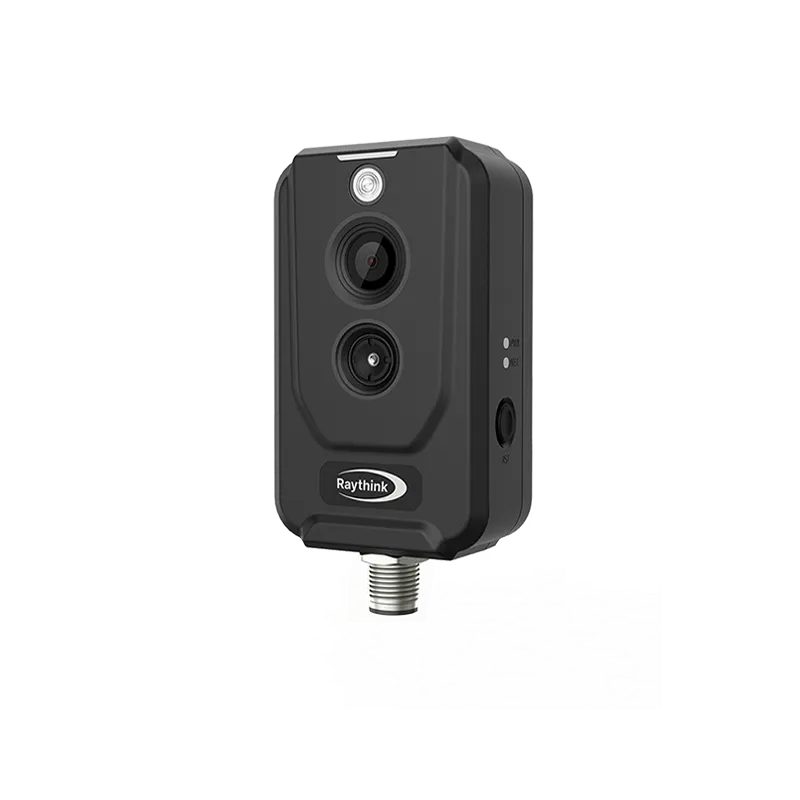
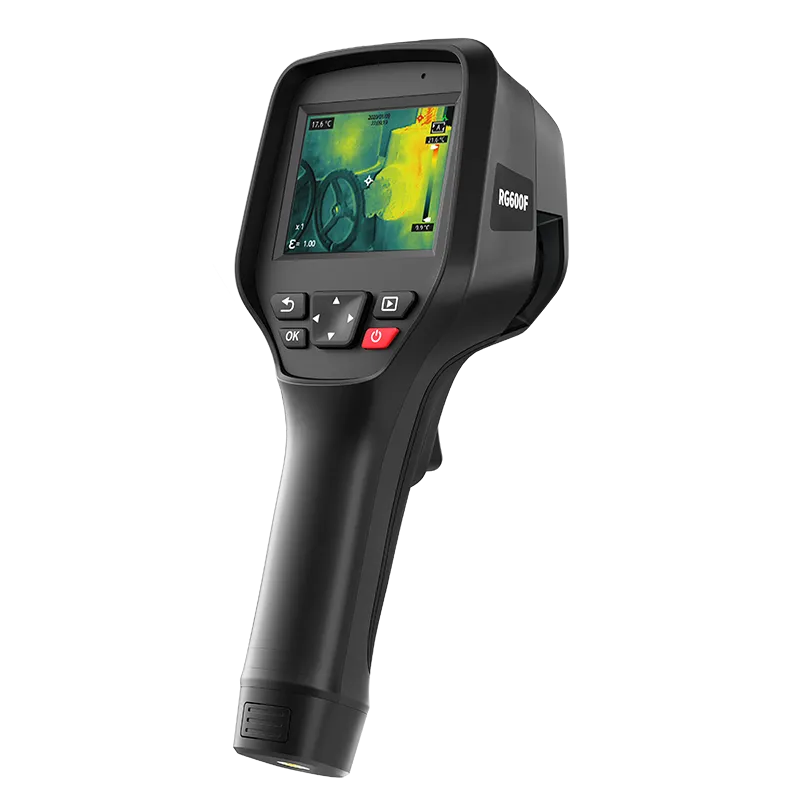
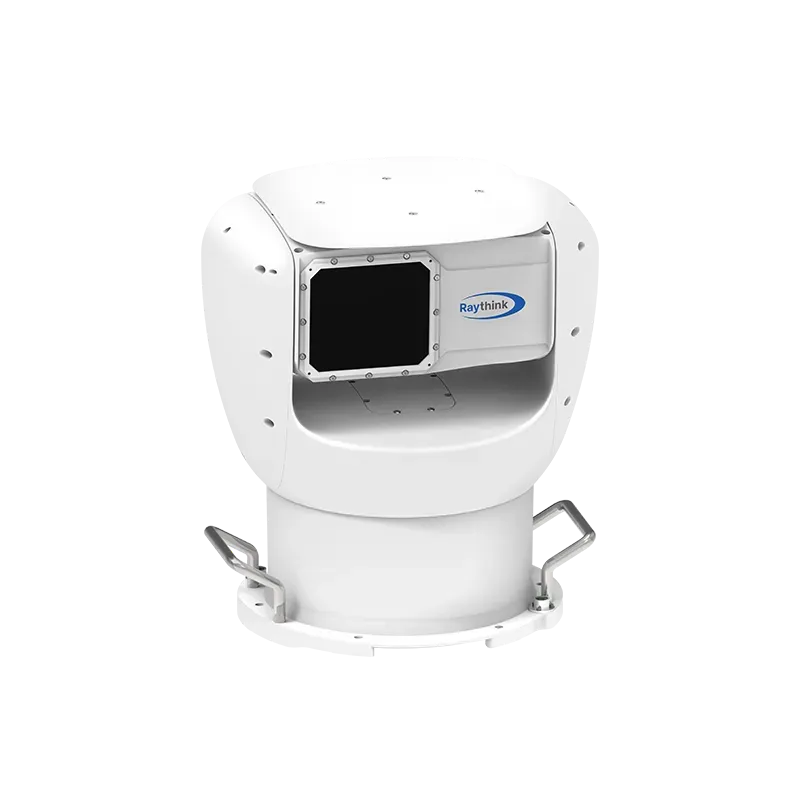
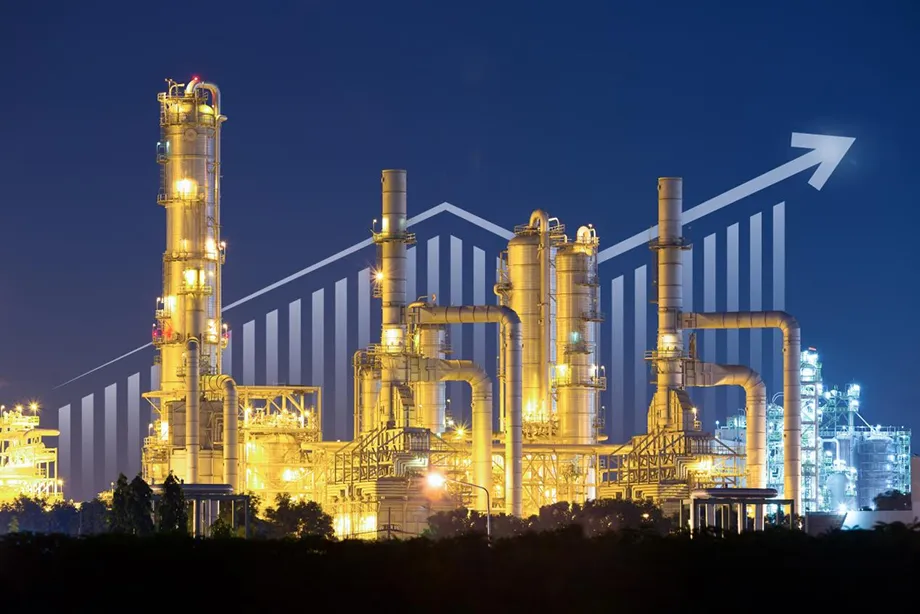
One promising approach lies in leveraging cutting-edge thermal imaging technology. With capabilities such as rapid temperature measurement, high sensitivity, broad detection range, and real-time visualization, thermal cameras are playing an increasingly vital role in industrial inspection. These tools enable early detection of issues like blockages, corrosion, or heat loss in pipelines and boilers—helping petrochemical enterprises enhance energy efficiency, prevent costly failures, and advance their carbon reduction strategies.
2.Unique Advantages of Thermal Imaging Cameras
- Remote and non-contact measurement and no need to change the measurement target: Non-contact temperature measurement is achieved. The hottest spot on the screen or area is automatically captured to make problems directly visible and allow accurate problem locating. It helps ascertain the root causes of faults in a reliable and precise manner.
- Automatic temperature data collection and curve generation: It shows temperature data in real time and collects the target temperature data in conjunction with the client software. The generated temperature curve makes it convenient for operators to visually analyze the temperature change trend in the monitoring area.
- Alarm function and messages of abnormality alarms: It supports setting the alarm threshold. When the temperature reaches the set range, the alarm will be triggered, notifying the staff to take corresponding measures promptly.
- Secondary development support for customers’ unique advantages: Provide the secondary development kit (SDK). Alarm messages can be pushed through the IO port, serial port, or other various methods to assist customers in the action linkage and development of automation.
3.Thermal Imaging Application for Petrochemical Energy Conservation and Consumption Reduction
1)Detection of Pipeline Failures
Petrochemical enterprises usually use pipelines to transport steam, raw materials, products, etc. The external force or liquid erosion may thin the pipeline wall and damage the insulation, resulting in heat leakage and energy loss. The thermal camera can be used to detect the temperature of the pipeline surface to locate the fault area of the pipeline according to the temperature difference and notify the operators to repair the faulty and damaged pipeline in time so as to improve the heat preservation effect, thus reducing the heat loss and achieving the purpose of energy conservation and emission reduction.

2)Assessment of Boiler Heat Loss
A boiler is a kind of energy conversion device, which uses the heat energy or other energy released by fuel combustion to heat the working medium to meet the requirements of certain parameters. The thermal camera can be used to assess the heat loss of boilers, with the main assessments on the heat loss of incomplete combustion of gas and solid fuel, heat loss while dissipation, heat loss due to smoke exhaust, etc.
The benefits from the assessment mainly include improving the boiler combustion energy-saving technology to make the combustion more adequate and strengthening the heat preservation energy-saving technology to reduce heat loss caused by dissipation and smoke exhaust.

3)Monitoring of Power Supply Efficiency
The power supply system is essential for the petrochemical industry’s operation; therefore, the stability of the power supply system is a prerequisite for efficient production in the petrochemical industry. The thermal camera can be used to monitor the operation status of the electrical devices of the power supply system in real time to timely discover and accurately locate the fault, quickly report the alarm information, and remind the operation and maintenance personnel to deal with it on time, to effectively avoid the electrical and fire hazards caused by thermal faults of the electrical devices and reduce the maintenance workload, thereby achieving the purpose of energy conservation and consumption reduction.