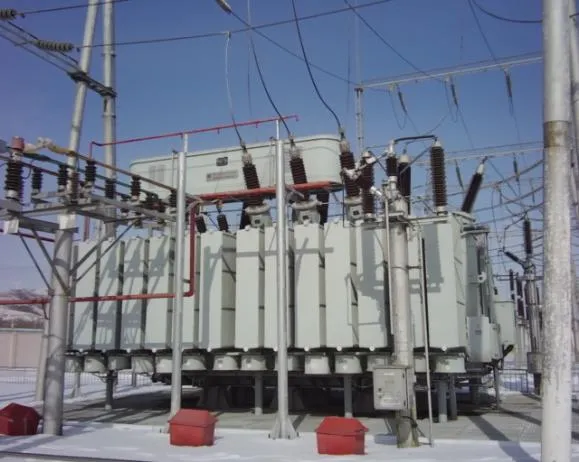
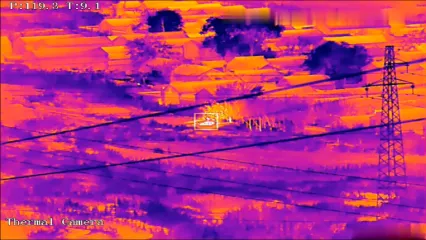
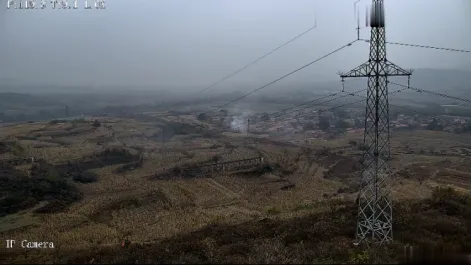
1.Common Applications of Infrared Thermal Imagers
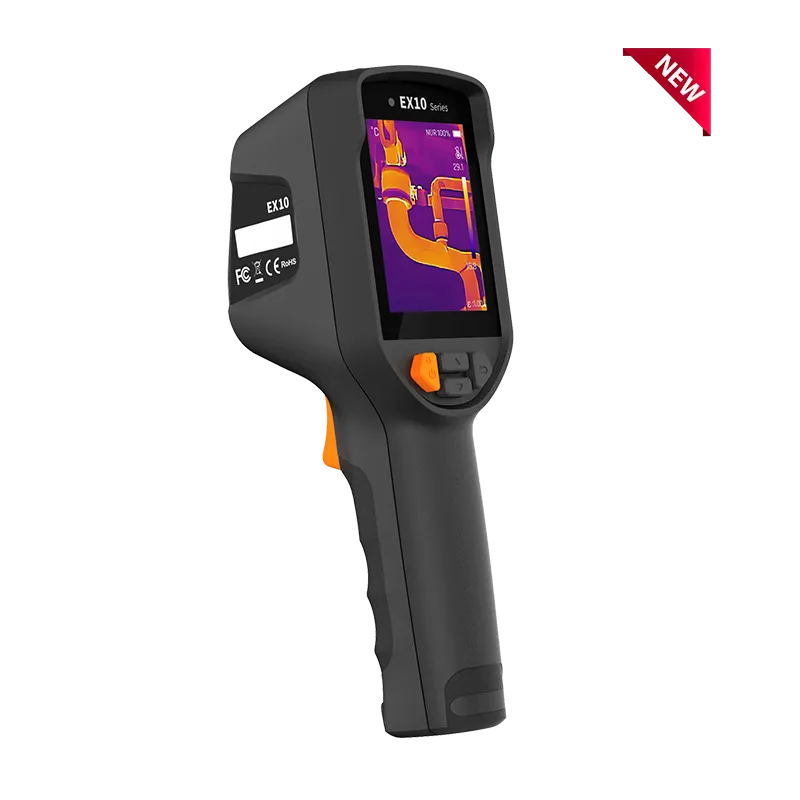
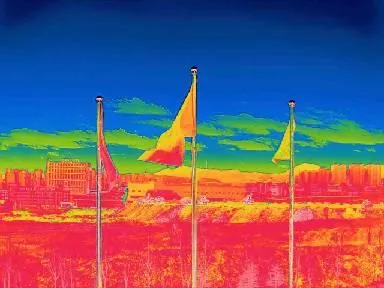
An infrared thermal imager, also known as an infrared thermal camera, is an imaging device based on the principle of infrared radiation detection. Its core function is to convert invisible infrared radiation into visual thermal images, enabling non-contact, real-time observation of the surface temperature distribution of objects. Thanks to its all-weather operation capability and adaptability to low-visibility environments, an affordable thermal camera has found wide applications across multiple key fields, mainly including the following categories:
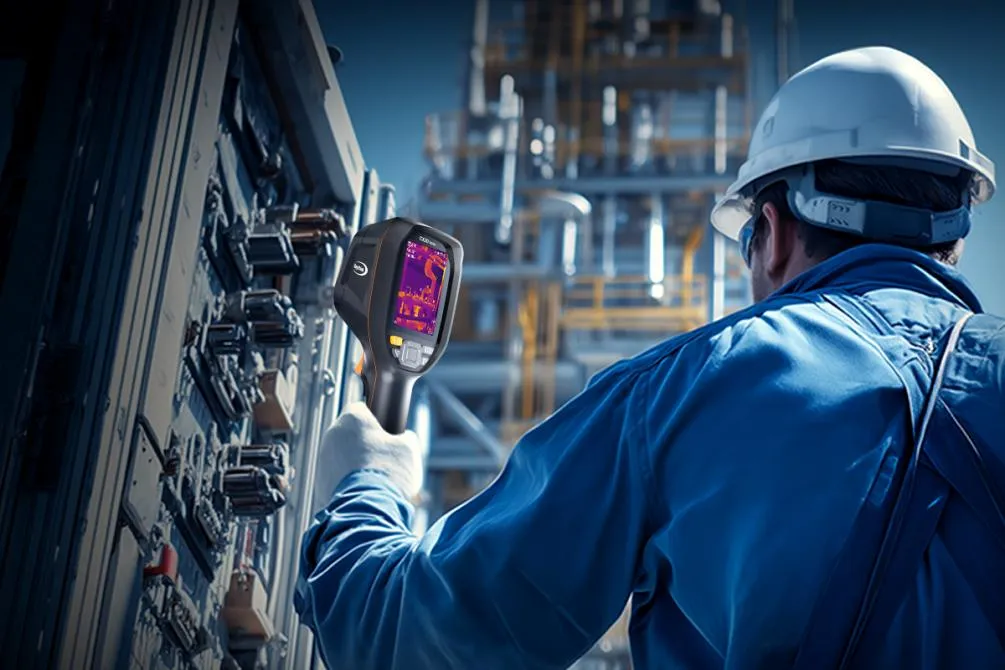
1)Industrial Inspection
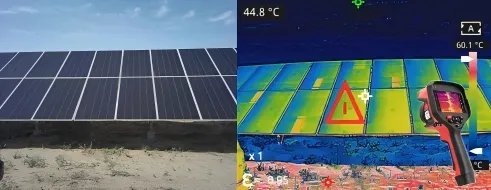
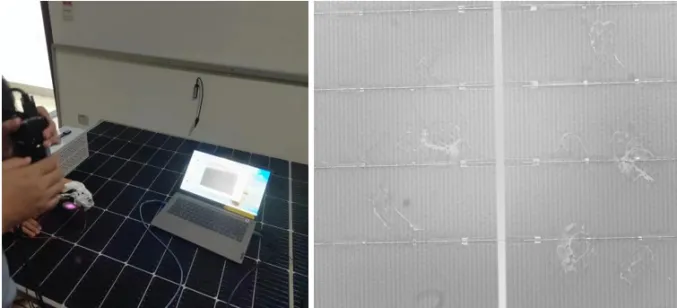
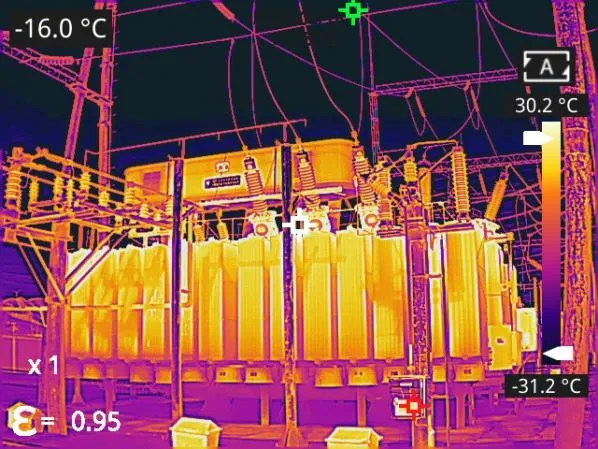
In industrial production, equipment overheating is often a precursor to potential failures. An affordable thermal camera, such as an infrared thermal imager, can quickly detect hotspots in critical equipment like motors, transformers, and switch cabinets without interrupting the production process. This helps identify risks early and prevent breakdowns. Additionally, it is used to monitor temperature changes during processes such as heat treatment and welding, ensuring stable product quality. For precision products like lithium batteries and electronic components, an affordable thermal camera can also analyze surface temperatures, supporting intelligent management throughout the manufacturing process.
2)Security Protection
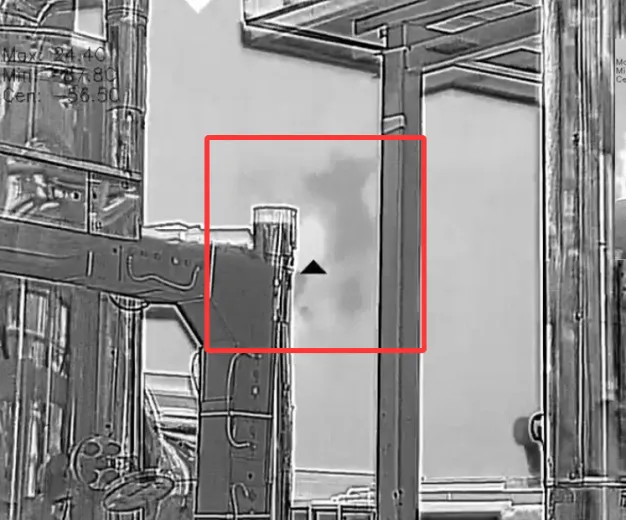
An affordable thermal camera, such as an infrared thermal imager, offers advantages like independence from visible light, strong concealment, and long-distance detection. It can accurately identify people, animals, and vehicles under low-visibility conditions such as nighttime, rain, or fog. Widely used in industrial parks, border areas, and other critical zones, this affordable thermal camera provides around-the-clock security protection, enhancing intrusion alert capabilities while reducing false alarms. Additionally, it supports night patrols and remote monitoring, effectively minimizing security blind spots and ensuring area safety.

3)Building HVAC Fault Detection
An affordable thermal camera, such as an infrared thermal imager, non-invasively displays the surface temperature distribution of buildings without the need to remove walls or damage structures. It is ideal for detecting issues like door and window gaps, wall heat loss, and underfloor heating pipe leaks. Additionally, it can assess the heat exchange efficiency of air conditioning systems, assisting in energy-saving renovations and maintenance management to improve both energy efficiency and comfort in buildings.


4)Fire Emergency Rescue
At fire scenes, an affordable thermal camera, such as an infrared thermal imager, can penetrate thick smoke and darkness to quickly locate high-temperature fire sources and trapped individuals. This greatly improves firefighting deployment and rescue efficiency, effectively reducing casualties and property damage. Additionally, at large events or critical locations, an affordable thermal camera can monitor abnormal heat sources in real time, enhancing fire safety and prevention capabilities.
2.How to Choose an Infrared Thermal Imager?
Infrared thermal imagers, also known as affordable thermal cameras, offer non-contact, real-time imaging with strong versatility. They are widely used in industrial inspection, security monitoring, fire rescue, building energy efficiency, and other fields. With technological advancements, the market offers diverse models—from fixed to handheld, low resolution to high definition, basic temperature measurement to intelligent analysis. Choosing the right one requires balancing performance and price according to actual needs.
1)Infrared Detector Type
The infrared detector is the core component of a thermal imager, determining image quality and temperature measurement accuracy. There are two main types:
- Uncooled Detectors: Utilize thermal effects without cooling devices. They are compact, cost-effective, and have a long lifespan. Ideal for portable devices and applications with budget constraints.
- Cooled Detectors: Use refrigeration to maintain low temperatures, offering high sensitivity, long detection distance, and fast response. Suitable for high-end scientific research, aerospace, and gas detection, but are more expensive.
Recommendation: For general industrial and daily use, uncooled detectors in an affordable thermal camera are sufficient; for ultra-high performance or special applications, consider cooled detectors.
2)Infrared Resolution
Infrared resolution refers to the number of detector pixels, directly affecting image clarity and detail. Common specifications include 256×192, 384×288, and 640×512 pixels. Higher resolution delivers clearer images but comes at a higher cost.
Recommendation: For routine inspection and basic maintenance, 256×192 or 384×288 resolution is adequate. For high-precision detection and analysis, choose 640×512 or above.
3)Lens Parameters
Lens parameters include focal length, field of view (FOV), and instantaneous field of view (IFOV), which together determine the imaging range and detail.
- Focal Length: Distance from lens center to focal point. Longer focal lengths narrow the FOV and extend detection range—ideal for long-distance monitoring. Shorter focal lengths widen the FOV—better for close-range inspections. Macro lenses suit very small targets.
- Field of View (FOV): Horizontal and vertical imaging angle (e.g., 25°×19°). Inversely proportional to focal length; smaller FOV suits long-range, high-precision security; larger FOV suits rapid scanning of broad areas like factory inspections and building heat loss detection.
- Instantaneous Field of View (IFOV): Measured in milliradians (mrad), it represents the smallest spatial resolution the camera can detect. Smaller IFOV values mean finer detail, while larger values cover wider areas.
Recommendation: Choose a combination of focal length, FOV, and IFOV based on target distance and coverage needs to avoid too narrow views or missing small targets.
4)Frame Rate
Frame rate (Hz) indicates how many infrared frames are displayed per second. Common frame rates are 25Hz, 30Hz, and 50Hz. Higher frame rates provide smoother images and better capture fast-moving objects, reducing motion blur and lag.
Recommendation:
- For static or slow-moving scenes (e.g., building inspection, power equipment monitoring), 25Hz or 30Hz is sufficient.
- For dynamic or fast-moving scenes (e.g., industrial process monitoring, tracking moving targets), choose 50Hz or higher for smooth video.
5)Thermal Sensitivity (NETD)
NETD (Noise Equivalent Temperature Difference), measured in millikelvin (mK), indicates the smallest temperature difference the thermal imager can detect. A lower NETD means higher sensitivity and clearer thermal contrast, especially important in low-contrast or weak heat source environments.
Recommendation:
- NETD ≤ 50mK is cost-effective and suitable for most industrial inspections, maintenance, and security monitoring.
- NETD ≤ 35mK is ideal for high-end uses like scientific analysis, early defect detection, or biomedical applications, providing more accurate thermal distribution maps.
The performance of an affordable thermal camera depends on multiple parameters working together—no single spec alone defines quality. When purchasing, consider application distance, target size, environmental conditions, and budget. Strive for the best balance between technical capability and cost-effectiveness to select a thermal imager that is both practical and reliable.
3.Top Budget Thermal Imager Recommendations for 2025
The following recommendations are Raythink’s affordable thermal camera models, balancing performance and price. They are well-suited for industrial maintenance, security inspections, outdoor surveillance, and firefighting applications.
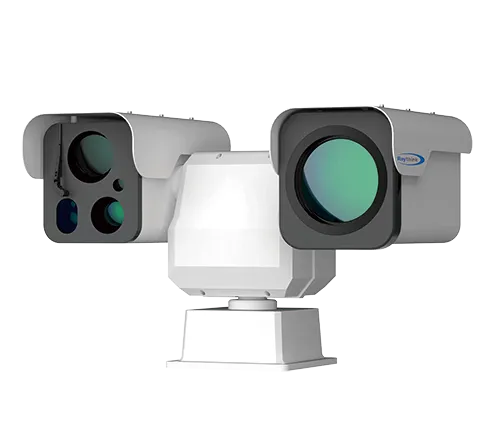
Key Highlights:
- Up to 150mm thermal imaging lens, supporting long-distance observation
- Optional laser rangefinder and laser illumination to enhance target recognition and positioning capabilities
- Equipped with NPU AI image processor to improve performance in low-light environments
Applicable Scenarios:
Perimeter security, forest patrol, fire spot monitoring, and other situations requiring long-distance dynamic inspection
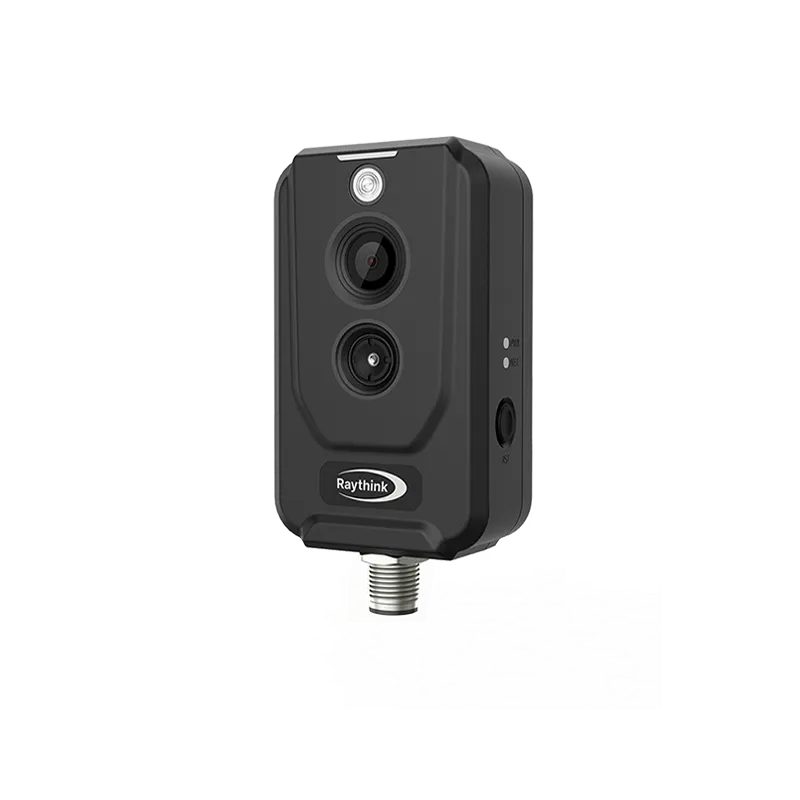
Key Highlights:
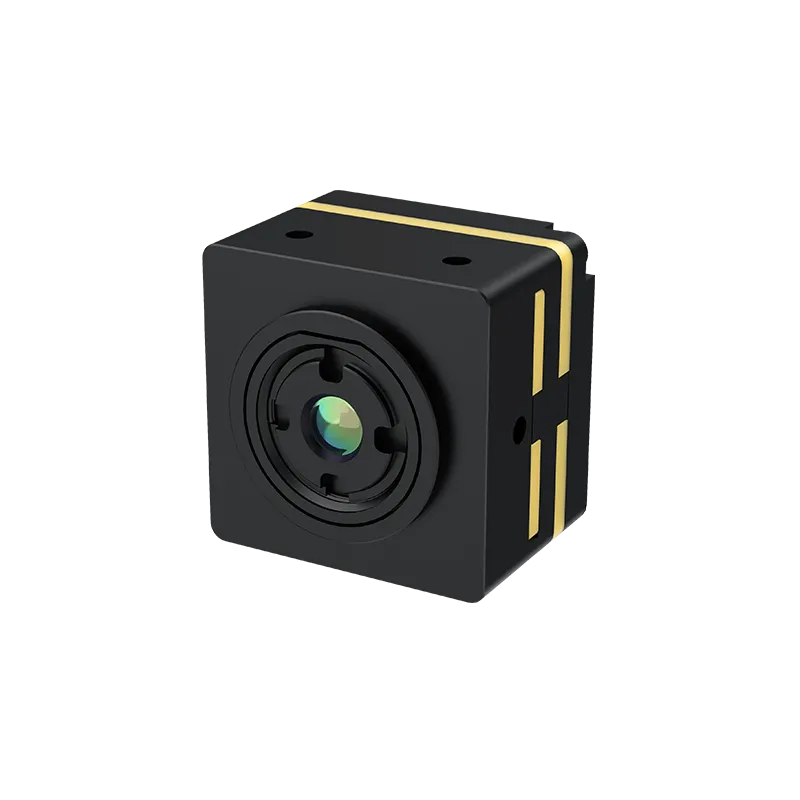
- Based on 256×192 resolution WLP infrared module, providing high imaging quality
- Supports Power over Ethernet (PoE), simplifying wiring
- Flexible magnetic mounting for easy and quick deployment
Applicable Scenarios:
Indoor industrial inspection, fire monitoring, and small-scale surveillance setups

Key Highlights:
- Equipped with 12μm 256×192 uncooled infrared detector
- Intelligent image algorithms for clearer temperature measurement details
- NETD < 40 mK, capable of detecting smaller temperature differences
- Supports automatic temperature range switching for efficient operation
- Built-in video recording for convenient post-analysis and documentation
Applicable Scenarios:
Electrical maintenance, equipment inspection, HVAC leak detection, automotive repair, and similar applications

Key Highlights:
- Uses uncooled infrared focal plane array (FPA) detector
- High resolution of 640×512 pixels, delivering fine imaging
- Extremely wide temperature measurement range, covering 0–2000℃
- Compact and lightweight design, supports optional air-cooled or water-cooled housings
- Maximum environmental tolerance temperature up to 220℃
Applicable Scenarios:
Steel mills, high-temperature smelting, glass factories, high-power industrial furnaces, and similar environments
| Model | Resolution | NETD | Frame Rate | Features | Applicable Scenarios |
|---|---|---|---|---|---|
| PC5 Thermal PTZ | 640×512 | ~≤50 mK | 25–30 Hz | PTZ, laser illumination/rangefinder, dual-spectrum | Perimeter security, forest monitoring, fire warning |
| TN220 | 256×192 | ~<50 mK | 25 Hz | Compact, image fusion, auto-focus | Industrial inspection, small-scale monitoring |
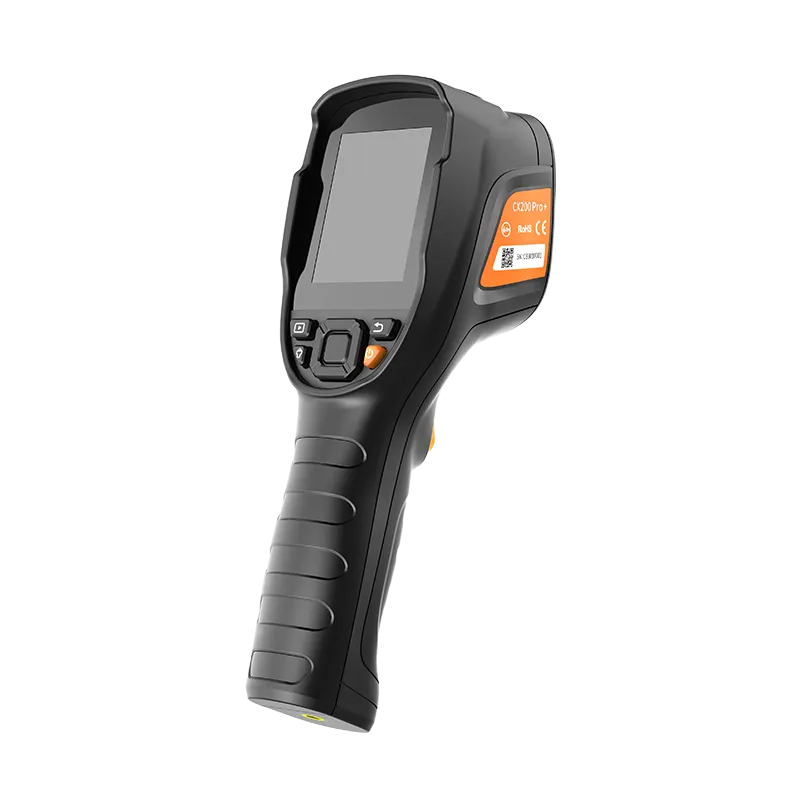
| CX200+ | 256×192 | <40 mK | 25 Hz | Portable, rugged and easy to use, full PC/APP software support | Electrical maintenance, equipment inspection, HVAC leak detection, automotive repair |
| TN460U | 640×512 | <40 mK | 25 Hz | Ultra-high temperature, explosion-proof | High-temperature production, smelting, etc. |
Reasons for Recommendation
- PC5 PTZ: Thermal resolution comparable to high-end products, multifunctional all-in-one design, offering excellent cost performance.
- TN220 and CX200+: Lightweight and practical devices suitable for routine inspections and mid-level monitoring.
- TN460U: Ideal choice for specialized high-temperature applications, also serves as a high-end budget option.
Conclusion
Whether it is early warning of equipment failures, hidden danger inspection in power systems, perimeter security, or fire emergency response, choosing the right thermal imager often means higher work efficiency and stronger safety assurance.When selecting, do not blindly pursue “the higher the specifications, the better.” Instead, scientifically balance performance and cost-effectiveness by considering your actual application scenarios, budget range, and specific requirements for image clarity, temperature measurement accuracy, and other factors.
For users with limited budgets but who still want professional performance, the thermal imagers mentioned above deliver excellent image quality, sensitivity, and ease of use, making them worthy of close attention.
If you are currently in the selection phase, feel free to refer to the parameter guide and recommendation list provided in this article to make informed decisions and avoid pitfalls. You are also welcome to contact the professional team at Raythink to share your application scenarios and needs. We will provide expert selection advice to help you purchase efficiently and use effectively.