1. Definition and Working Principles of Infrared Security Cameras
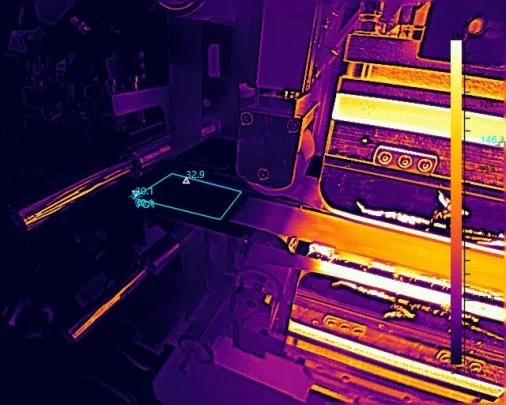
Infrared security cameras, formally known as infrared thermal imaging security cameras, are a type of commercial outdoor security camera that capture the heat energy emitted by objects and convert it into visible images. Their operation is based on a fundamental physical principle: any object above absolute zero (-273.15°C) emits infrared radiation, and the higher the temperature, the stronger the radiation.
Inside the camera, an infrared detector receives the infrared radiation emitted by objects. This infrared radiation is focused through an optical system and converted into electrical signals by the detector. After amplification and subsequent digital processing, the system uses advanced AI algorithms to generate clear thermal images, enabling visual monitoring of targets. Unlike traditional cameras that rely on visible light, infrared cameras require no external illumination—they create images purely from temperature differences. This makes them a key component of commercial outdoor security camera systems, particularly in challenging environments.
2. Core Advantages of Commercial Outdoor Infrared Cameras
1) Dual-Spectrum Imaging in Selected Models
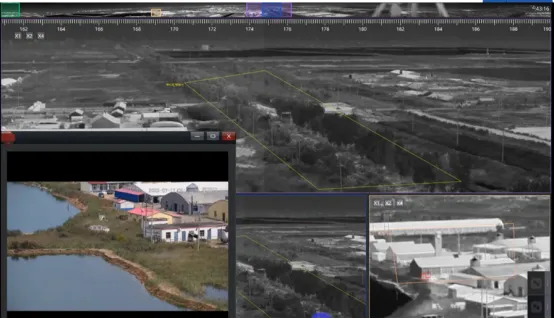
Some commercial outdoor security camera systems integrate both thermal imaging and visible-light modules.
- The infrared module captures heat-based images for all-weather detection.
- The visible-light module provides high-resolution color images for evidence capture.
Dual-spectrum coordination ensures reliable imaging in harsh environments while delivering clear details when lighting conditions allow.
2) Clear Imaging in Harsh and Low-Visibility Conditions
Outdoor commercial environments often face fog, rain, smoke, and dust. Traditional cameras struggle in these scenarios. Infrared thermal imaging is unaffected by visible-light interference and can penetrate fog, rain, smoke, and snow to capture thermal distribution images of objects. Even in extremely low visibility, the system can clearly identify people, vehicles, and equipment—making it essential for industries like oil fields and railways.

3) Unmatched Nighttime Performance
One of the core pain points of commercial outdoor security is night protection. Traditional cameras rely on external light sources such as streetlights or IR illuminators, creating high energy usage and shadows. Infrared cameras, however, image solely based on thermal radiation, enabling accurate detection of target position, movement, and contour even in complete darkness. This gives a commercial outdoor infrared camera system true “round-the-clock, no-blind-spot” monitoring capability.

3. Raythink Recommended Commercial Outdoor Infrared Camera Products

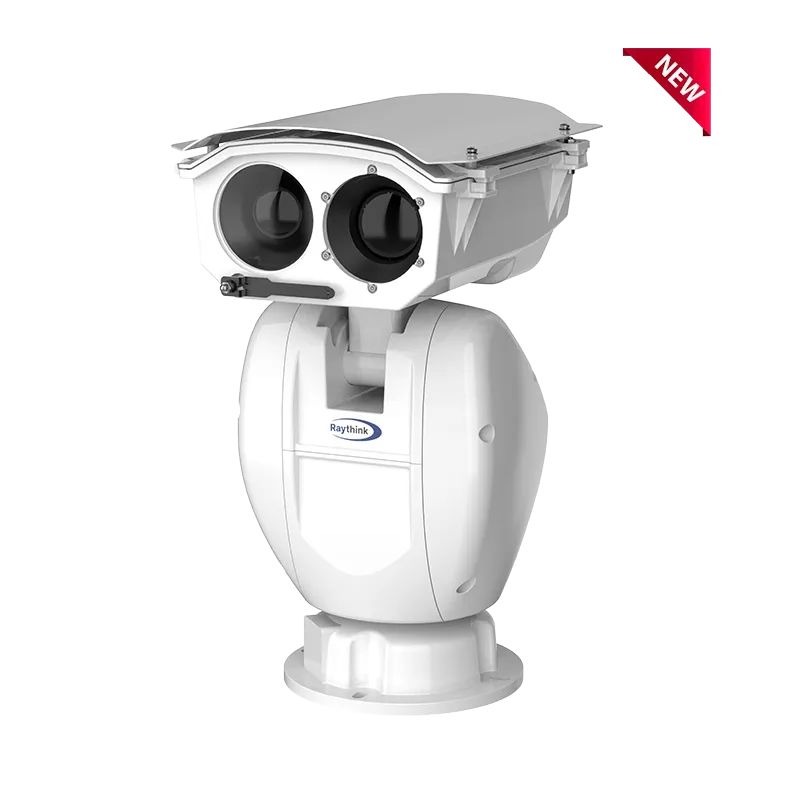
- 12 μm infrared detector with 640×512 resolution and 360° panoramic visualization
- Multi-target tracking, Ideal for oil fields, industrial parks, and other wide-area outdoor security cameras for business deployments

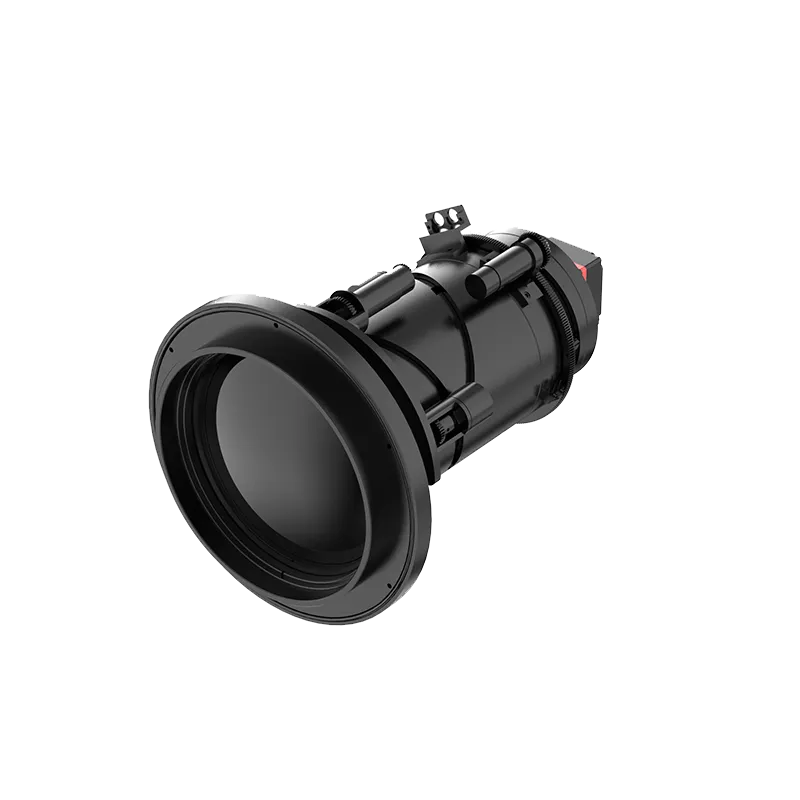
- 12μm high-resolution infrared detector with1280×1024 resolution, providing richer imaging details
- Tracks up to 256 targets simultaneously, detection range up to 8 km, and suitable for railways, commercial storage, and high-precision monitoring scenarios

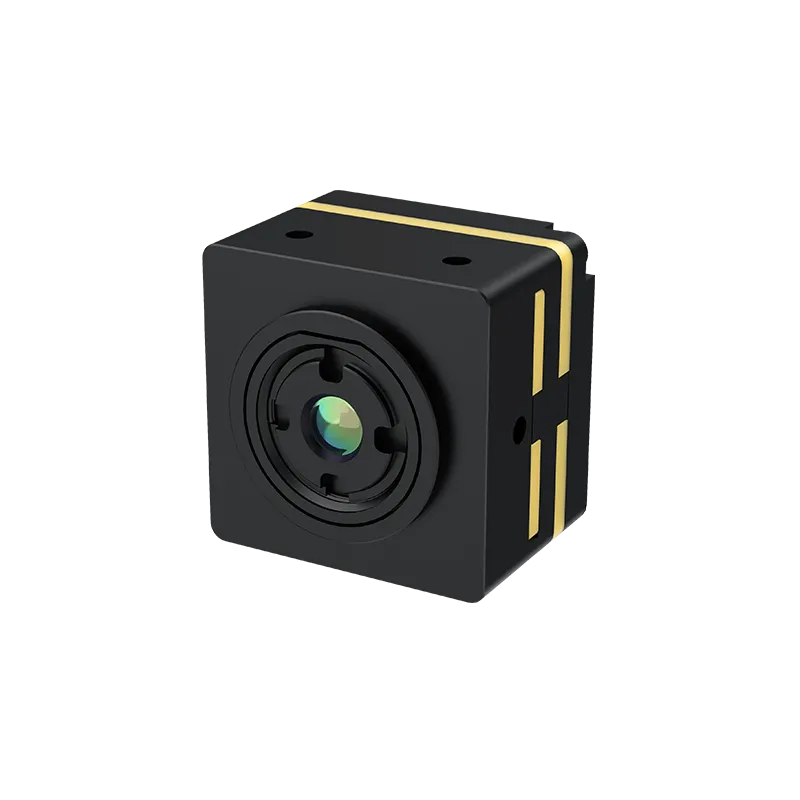
- Compact size and flexible installation, ideal for scenarios with limited space
- 384×288 or 640×512 resolution options, 360° panoramic monitoring, and supports 8-hour mobile power supply—meets the needs of patrol or vehicle-mounted applications

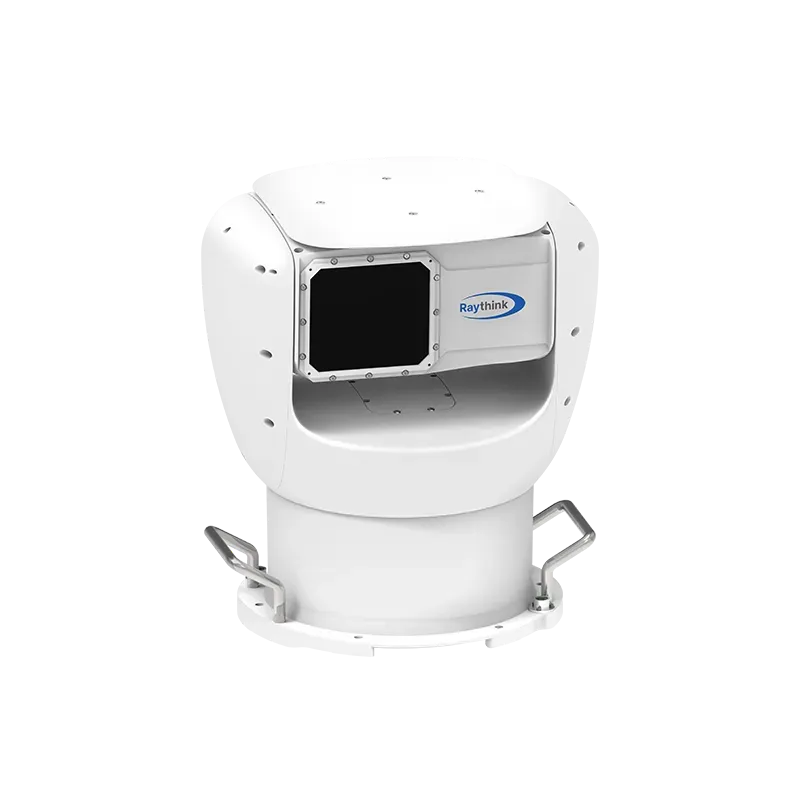
- Specifically designed for forest fire prevention and perimeter security of critical sites
- Dual-spectrum system integrates thermal imaging and visible light capabilities
- Optional laser ranging and supplemental lighting functions are available
- With a high-performance SOC, it supports precise identification of targets such as people, vehicles, and vessels, along with fire point localization. Ideal for commercial applications, including oil fields and forest parks

- Integrating infrared thermal imaging, high-definition visible light, and intelligent PTZ
- Supports intelligent features such as fire detection and tripwire intrusion detection, maintaining high recognition accuracy at night and in adverse weather conditions while effectively reducing false alarm rates
- Suitable for large-scale commercial outdoor scenarios including airports, urban high-altitude surveillance, and railway corridors

- Thermal imaging resolution reaches 640×512, equipped with a 50mm motorized lens and a 37x visible light camera, supporting rapid monitoring at medium to long distances
- Built-in AI intelligent analysis algorithms enable target classification and recognition, suitable for commercial security scenarios such as river monitoring, construction site perimeter surveillance, and power line temperature measurement

- Featuring integrated remote monitoring, temperature measurement, and video services, with a built-in high-definition visible-light camera and advanced infrared thermal imaging detector
- Its all-in-one body design ensures easy installation, while IP66 protection rating guarantees stable outdoor operation. Suitable for both indoor and outdoor applications, such as perimeter security, warehouses, server rooms, and industrial temperature monitoring in commercial settings
4. Typical Application Scenarios for Commercial Outdoor Infrared Cameras
1) Oil Fields: Wide-Area Perimeter Security and Theft Prevention
As a large-scale commercial energy base, the oilfield spans 6,000 square kilometers, with raw materials and production equipment exposed outdoors, posing an extremely high risk of theft. By deploying Raythink infrared panoramic cameras atop 40-meter towers, 360° panoramic surveillance is achieved within an 8-kilometer radius. Cameras track intruding personnel and vehicles in real time, coordinating with visible-light devices for evidence collection to effectively deter theft. Its stable imaging capabilities during nighttime and adverse weather conditions like heavy fog address the core challenge of 24/7 security for oilfields, significantly reducing substantial economic losses for enterprises.


2) Aquaculture Scenario: Perimeter Protection and Contraband Detection
A sea cucumber farming enterprise in Northeast China faced two major challenges: First, traditional cameras failed to promptly detect intruders or animals during nighttime or foggy conditions. Second, workers smuggled valuable aquatic products during processing. By deploying Raythink FC4 Dual-Spectrum Bullet Cameras and PC4 Dual-Spectrum PTZ Cameras, a comprehensive security system was established: Perimeter cameras monitor intrusions 24/7, while infrared temperature detection devices at processing plant entrances detect low-temperature frozen products, triggering immediate alerts upon anomalies. This system significantly reduces the workload of on-duty personnel and effectively minimizes property losses, establishing itself as a benchmark application for outdoor camera systems in the aquaculture industry.


3) Railway Scenarios: Perimeter Intrusion Monitoring and Security Assurance
Under the 14th Five-Year Plan for railways, China’s operational railway mileage continues to expand, making perimeter protection along rail lines a top priority. Traditional railway security solutions suffer from high false alarm rates and significant monitoring discrepancies between day and night, failing to meet safety requirements. Raythink deploys 360° infrared panoramic cameras and PD464T Dual-Spectrum Speed Dome Camera along railways to achieve 24/7 all-weather protection. These cameras accurately detect human and animal intrusions, penetrating adverse weather conditions like rain, snow, and fog to trigger real-time alerts and activate backend systems. Deployed at critical locations such as roadbed sections and tunnel entrances, they establish a three-pronged security framework combining human, physical, and technological defenses to safeguard high-speed rail operations.


5. Infrared vs. Traditional Cameras in Commercial Outdoor Security
1) Imaging Requirements
- Traditional cameras: Rely on visible light and adequate illumination. At night, they require supplementary lighting; otherwise, images become blurry or even unusable, failing to meet the demands of 24/7 commercial outdoor security.
- Infrared cameras: Operate without external lighting, capturing images through thermal radiation emitted by objects. They maintain stable performance in nighttime and low-visibility conditions, representing the core advantage for commercial outdoor security cameras.
2) Harsh Environment Adaptability
- Traditional cameras: In adverse weather conditions such as fog, rain, or smoke, visible light propagation is obstructed, resulting in blurred vision and the inability to identify targets, which can create security blind spots.
- Infrared cameras: Thermal imaging technology remains unaffected by weather conditions, penetrating harsh environments to capture thermal images, ensuring uninterrupted surveillance. This makes them suitable for complex commercial scenarios like oil fields and railways.
3) Cost & Value
- Traditional cameras: Low hardware costs and minimal initial investment, suitable for small commercial settings with limited budgets and basic security requirements.
- Infrared cameras: Advanced technology with higher upfront costs than traditional cameras, but they deliver more reliable security performance. They can prevent substantial losses for businesses, offering better value for money in the long run. They are the preferred choice for outdoor security camera systems in medium to large commercial enterprises.
4) Security Functionality
- Traditional cameras: Capable only of basic video recording with limited intelligent analysis capabilities, making them inadequate for fulfilling the full-process requirements of “pre-incident prevention, real-time alerts, and post-incident evidence collection” in commercial settings.
- Infrared cameras: Integrated with AI algorithms, supporting functions such as perimeter intrusion detection, fire point detection, and target tracking. Capable of interconnecting with other security devices to build an intelligent security system, tailored to meet the complex outdoor security demands of commercial environments.
6. Practical Tips for Using Commercial Outdoor Infrared Cameras
1) Legal Installation & Privacy Compliance
Before installation, ensure compliance with laws and regulations. Clearly define the surveillance scope to cover only the company’s own premises, avoiding infringement on others’ privacy rights. Refrain from installing cameras in private areas. Surveillance footage must be used solely for security purposes and must not be unlawfully disseminated or misused, ensuring compliance with commercial security regulations.
2) Choose Zoom Lenses for Flexible Monitoring
Commercial outdoor environments demand both wide coverage and detailed observation. Prioritize infrared cameras with variable-focus lenses to switch between wide-angle and close-up views as needed: monitor expansive areas from afar, then zoom in for detailed evidence upon detecting anomalies. This achieves dual objectives: comprehensive coverage and precise forensic capture.
3) Optimize Installation Height & Angle
Installation height directly impacts surveillance effectiveness: too high may obscure close-range targets, while too low risks vandalism or obstruction. For commercial outdoor settings, install at 3-5 meters with a downward horizontal angle of 30°-45° to ensure coverage without image distortion. For expansive areas (e.g., oil fields), utilize tower installations to broaden monitoring range.
4) Regular Maintenance for Stable Operation
Commercial outdoor environments are complex, exposing cameras to dust, rain, snow, and ice. Regularly clean lenses, inspect the integrity of protective structures, and promptly replace aging components. Simultaneously calibrate infrared detectors and AI algorithms periodically to maintain alarm accuracy, prevent false or missed alarms, and ensure long-term stable operation of commercial outdoor security camera systems.
Conclusion
In today’s era of growing demand for commercial outdoor security, commercial outdoor security cameras have become essential equipment for safeguarding enterprise security. Raythink infrared cameras deliver comprehensive security solutions for diverse commercial environments—including oil fields, aquaculture, and railways—through unique thermal imaging technology, harsh-environment adaptability, extensive product models, and proven industry applications. Compared to traditional cameras, infrared cameras offer significant advantages in all-weather monitoring, precise identification, and intelligent integration, making them an one of the preferred choice for modern commercial outdoor security.
When selecting commercial outdoor security camera systems, enterprises should align choices with specific operational requirements, evaluating product performance, application case studies, and practical implementation techniques to identify suitable infrared camera solutions. Raythink remains committed to delivering cutting-edge technology, premium products, and expert services to build smarter, more reliable outdoor security systems for commercial users, empowering secure business development.