The power industry is a basic property and public utility supporting economic and social development. People’s lives and production are increasingly dependent on electricity. This poses new challenges to the safe operation of various pieces of equipment in the power industry.
1. Pain Points in the Power Industry
Currently, the power industry faces the following pain points:
- A lag in the quantity growth of O&M personnel, resulting in a significant structural shortfall.
- Low routine inspection efficiency due to widely distributed substations.
- Insufficient equipment status awareness, affecting O&M as well as incident handling.
- Inspection equipment featuring single functions and chaotic architectures, unable to meet the increasing demand for intelligent equipment management and control.
- A lack of synergy among video surveillance, robots, and UAV inspections, leading to insufficient data integration and value mining.
2. Infrared Thermal Imaging: A Solution to Address These Pain Points
Featuring accurate target detection, fast speed, and wide coverage, infrared diagnostic technology can be used to detect and diagnose the status of live equipment with no need to disconnect the power supply, contact the equipment, disassemble the equipment, or collect samples. In this way, it helps to accurately determine the equipment performance degradation, fault positions, and fault causes for quantitative analysis, thus providing a basis for predictive equipment maintenance. As a result, the reliability of equipment operation is improved while the cost of equipment management is reduced.

3. Infrared Thermal Imaging in Power Plants: Detailed Application Scenarios
1) Temperature Monitoring at Coal Bunkers in Power Plants
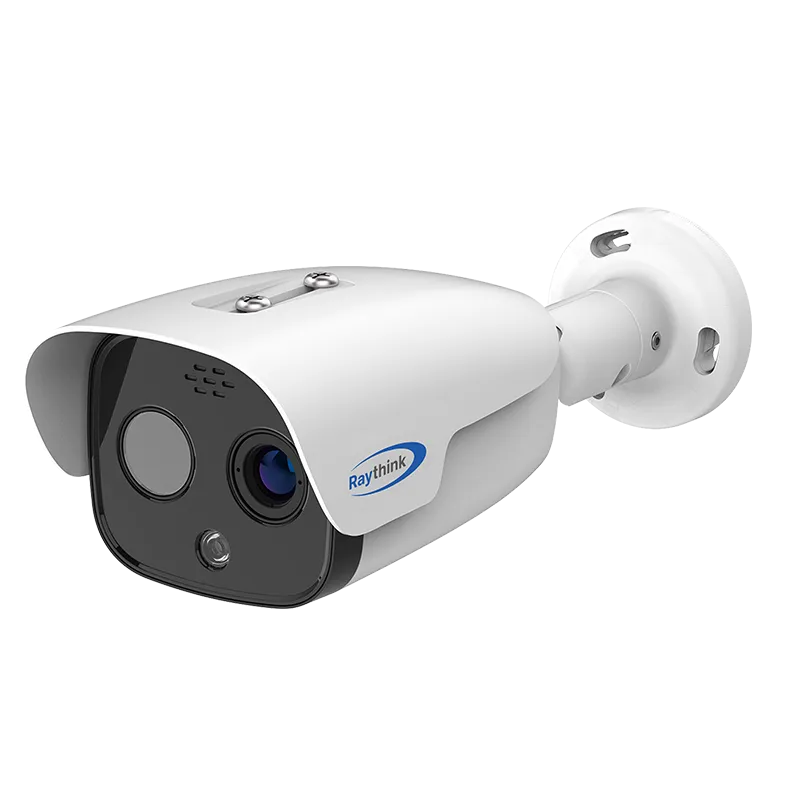
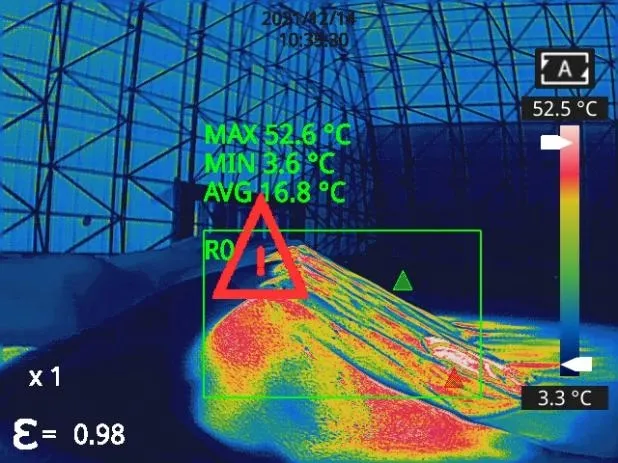
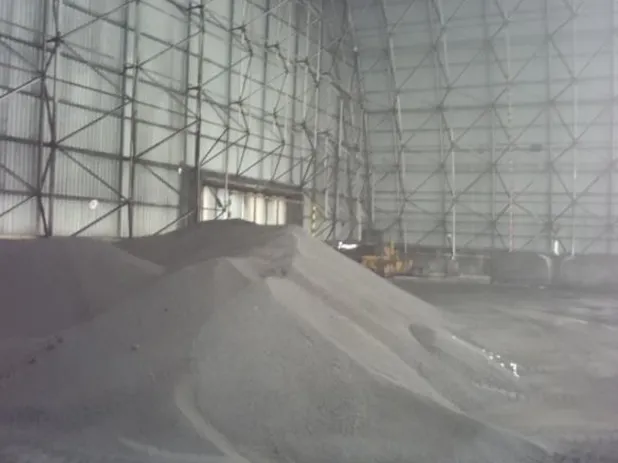
In coal storage yards, coal warehouses, and other places, heating or even spontaneous combustion of coal piles may occur due to poor ventilation. Abnormal points can be detected at the smoldering stage of coal piles using a TE365 dual-spectrum explosion-proof bullet camera or a TE464T1 dual-spectrum explosion-proof PTZ camera to eliminate the hazards.
2) Tearing and Fire Monitoring for Coal Conveyor Belts
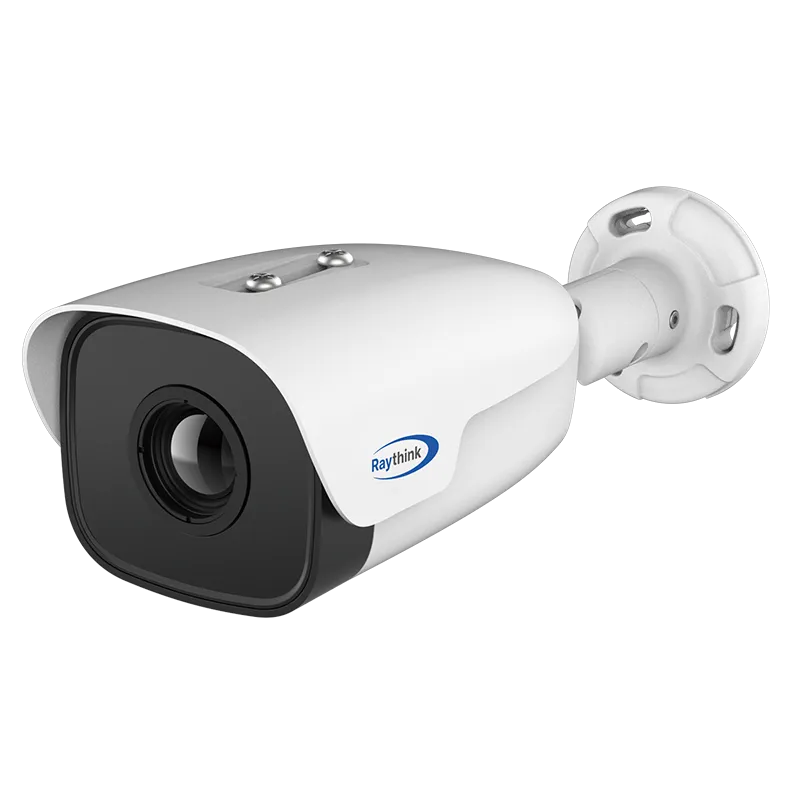
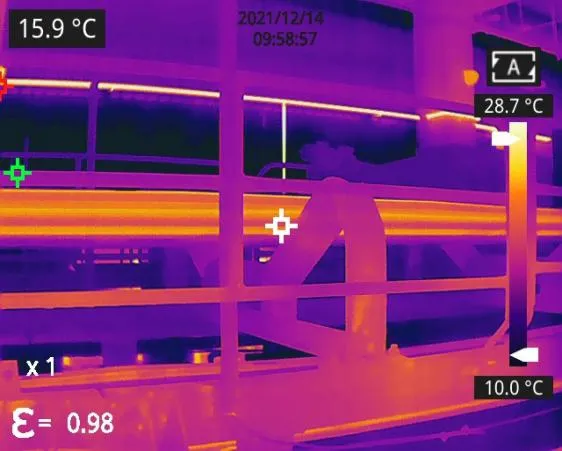
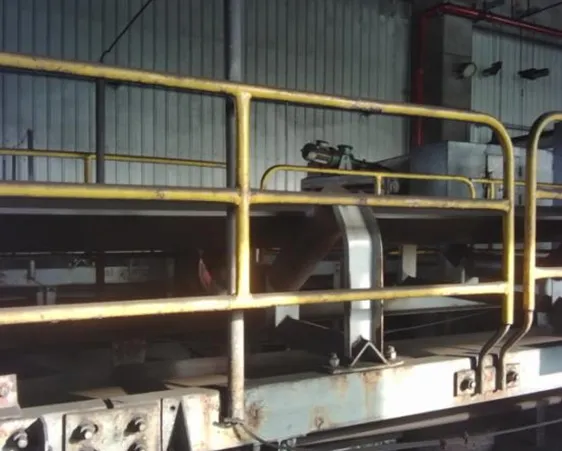
During coal transportation via the conveyor belt, the belt is prone to tearing due to friction with foreign objects. To mitigate this risk, the FC series bullet camera can be installed above the conveyor belt. This setup allows for discovering the position of the belt with an abnormal temperature at the initial stage, when the conveyor belt is worn, to prevent further damage and avoid major economic losses.
3) Preventive Monitoring of Turbines and Generators
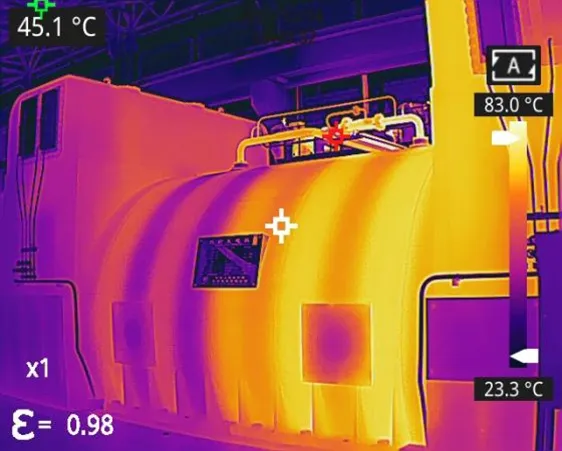
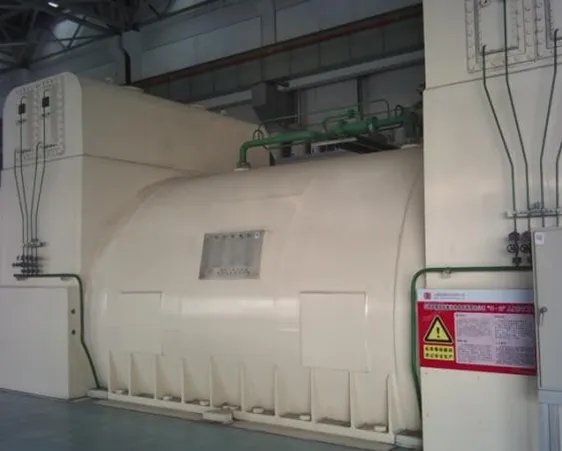
In thermal power plants mainly producing coal, the infrared thermal imaging technology can be adopted to measure the temperature of the coal warehouse, conveyor belt, and other fire prevention areas of the smart thermal power plant; monitor the management effectiveness; and diagnose defects of the boiler, turbine, transformer, and other electrical devices; and effectively reduce the occurrence of major accidents of the plant, thus playing a key role in building a smart power plant.
It regularly collects temperature data from key components such as turbines and generators, providing precise temperature measurements and real-time alarms. It supports curve drawing based on historical data, which can display the changing trend of device temperature and provide intuitive and reliable data for evaluating device operation status.
4) Preventive Monitoring of the Belt Conveyor and Magnetic Device
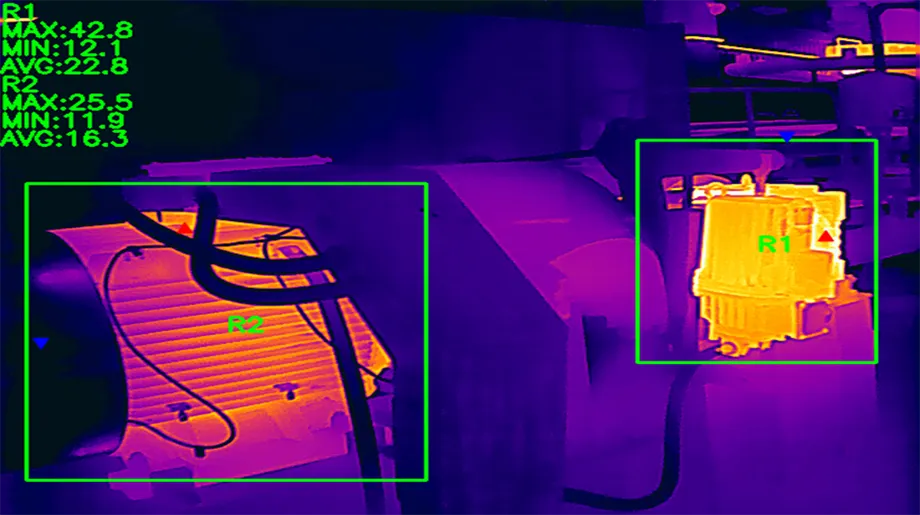
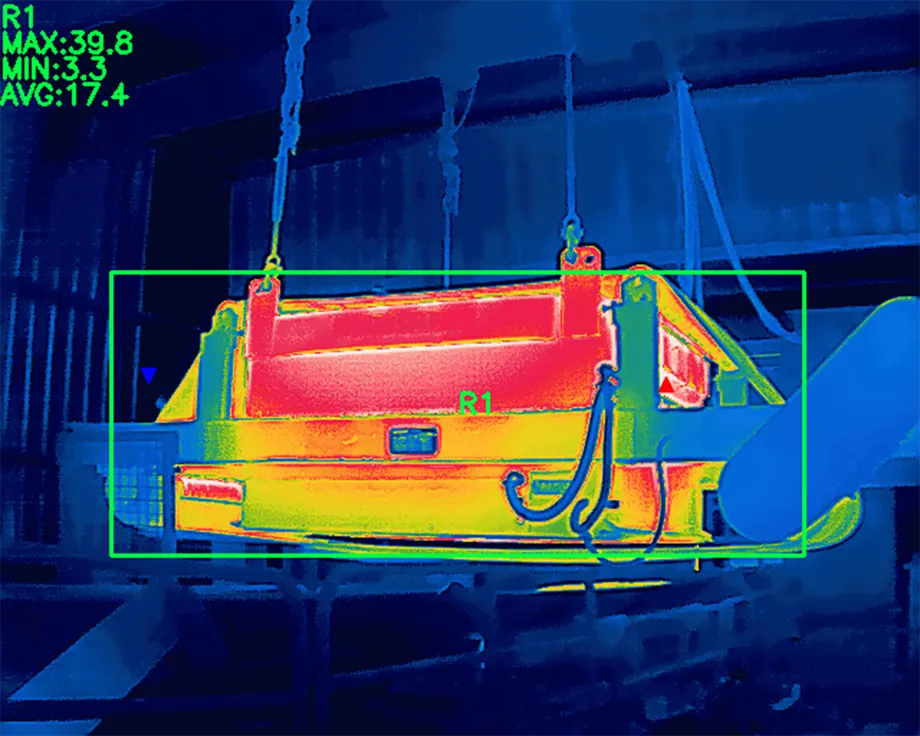
The thermal camera can be used to achieve early fault detection, prevent fire risks, and improve equipment reliability in the preventive monitoring of belt conveyors and magnetic separators. It can accurately identify abnormal heating conditions in key components such as the bearings, rollers, motors, and reducers of belt conveyors, as well as the electromagnetic coils, bearings, and electrical control parts of magnetic separators. The causes may be poor bearing lubrication, belt misalignment, friction, motor overload, or poor electrical contact. In that way, it can help avoid sudden failures and identify fire hazards.
5) Temperature Monitoring of the Outer Wall of the Boiler
In the process of thermal power generation, the boiler is one of the most critical facilities and is key to achieving full power generation. The AT31/61 motorized focusing thermal camera can be employed to monitor the boiler outer wall in real time. It detects localized “hot spots” on the wall to assess the boiler’s health status and timely detect wear, providing a visual reference for maintenance.

6) Generator Temperature Monitoring
The carbon brush, a crucial component of generator sets responsible for conducting current as a sliding contact, and the slip ring it interacts with pose inherent fire hazards during normal generator operation if their temperatures are not properly monitored.
Several factors can lead to abnormal heating in these components. For the carbon brush, these include poor-quality materials leading to increased wear, excessive electrical resistance causing heat generation, incorrect selection for the application, impurities on the contact surface hindering proper current flow and increasing friction, and poor contact resulting in arcing and localized heating. Regarding the slip ring, primary issues that can cause overheating are surface burning due to excessive current or poor contact, and a poor surface finish leading to increased friction and wear.
Other contributing factors to abnormal temperatures in the slip ring and carbon brush include improper adjustment methods of the brush holders, unfavorable on-site conditions like high ambient temperature or dust accumulation, anode evaporation leading to material loss and increased resistance, and cathode powdering affecting contact quality.
To proactively address these potential issues and mitigate the risk of fire and equipment failure, the compact TN220 Thermographic Cube Camera offers a valuable solution for real-time temperature monitoring of both the carbon brush and slip ring. This allows for the immediate detection of abnormal hot spots, triggering timely alarms for prompt intervention by inspectors to diagnose and troubleshoot the underlying causes before significant damage or safety incidents occur.

7) Temperature Monitoring and Fault Analysis for Transformers
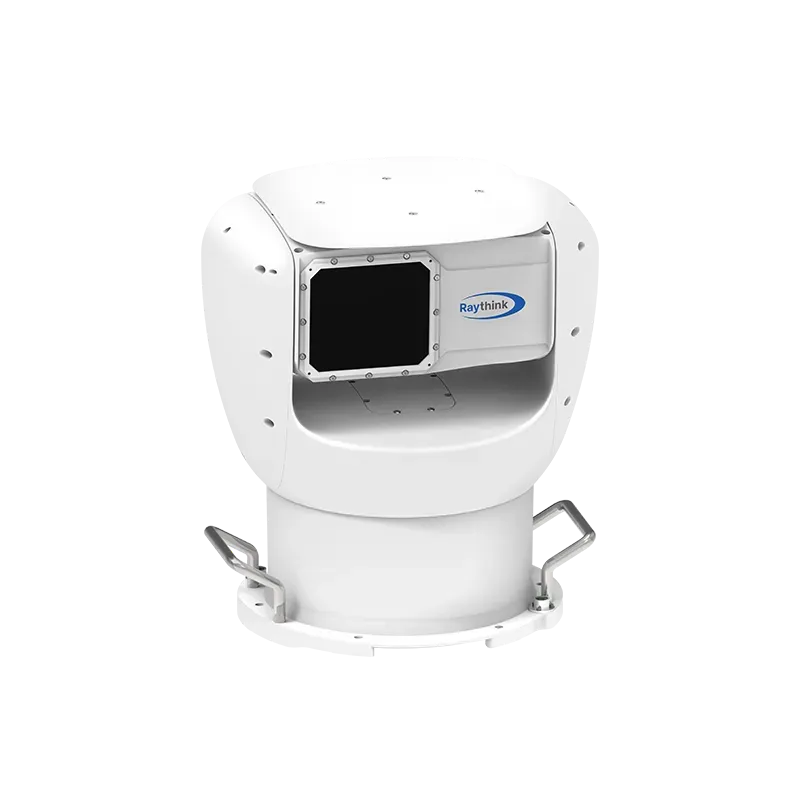
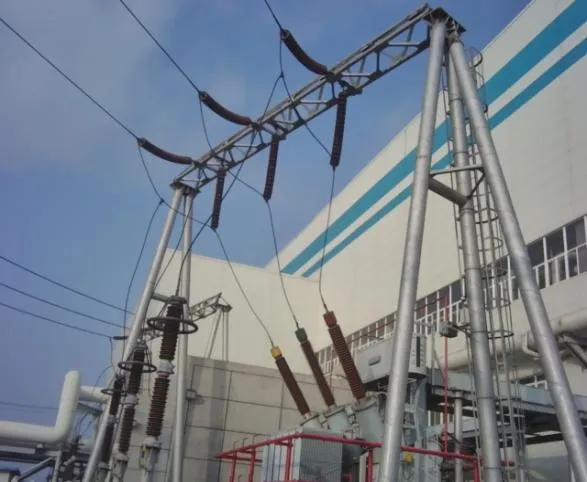
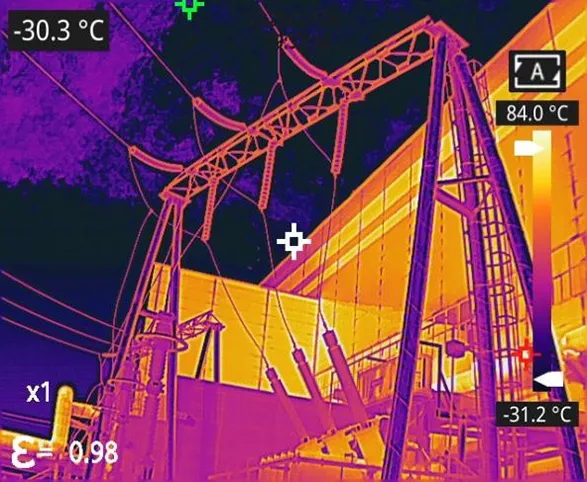
For key components such as transformers, bushings, and clamps, continuous monitoring can be achieved by installing light-load PTZ thermal imaging cameras for patrol inspection. Multiple regions of interest (ROIs) can be added to meet both reliability and real-time requirements while ensuring accurate temperature measurement in harsh outdoor environments.
8) Temperature Monitoring for Electrical Cabinets in Power Distribution Rooms
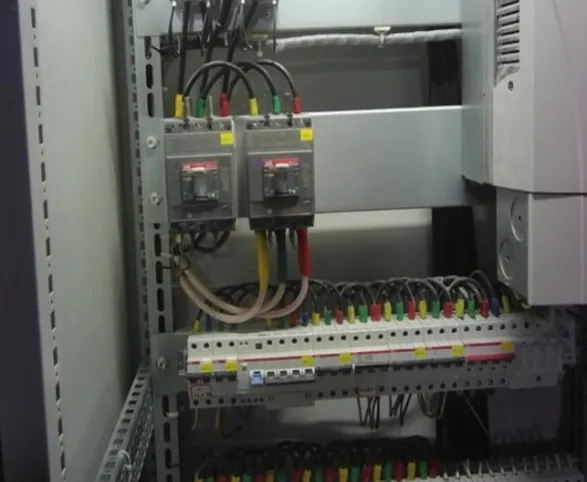
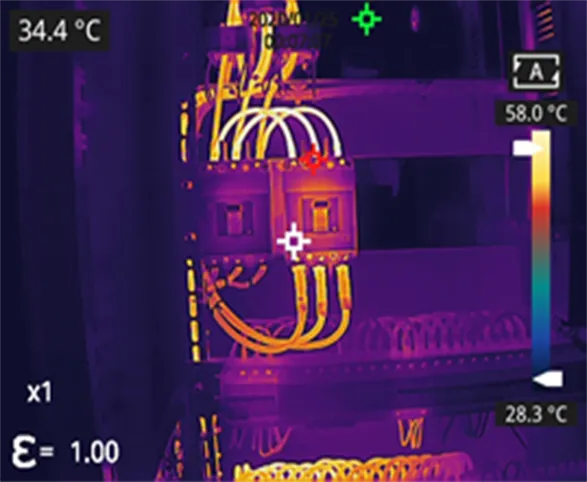
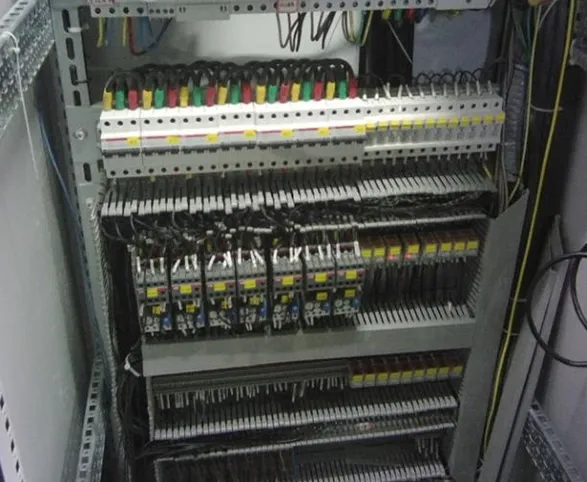
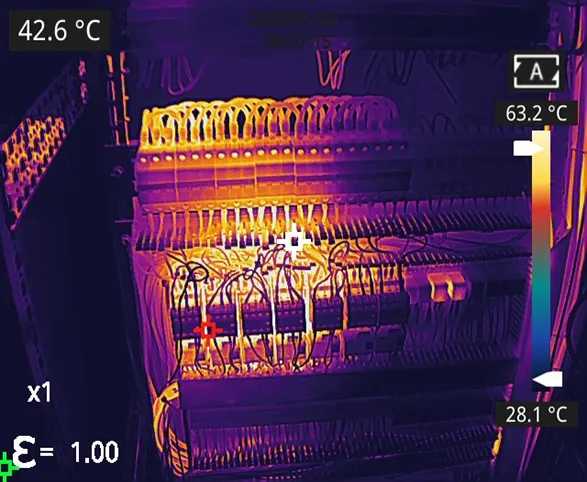
Thermal cameras are arranged in the important electrical cabinet of the equipment room in the data center to realize all-weather and uninterrupted monitoring of key points such as electrical contacts, contact switches, and line connectors. Once the contacts are abnormally heated due to overload and poor contact, the alarm information will be pushed to the background personnel on time.
4. Unique Advantages of Thermal Cameras
1) Visually Display the Temperature Distribution and Assist in Quick Judgment of Abnormal Temperature Areas and Fault Points
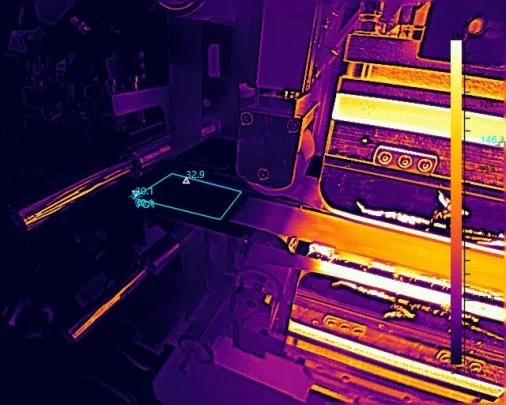
Thermal imaging cameras automatically capture the hottest/coldest spots on the screen or in an area to accurately visualize and locate fault points. This helps engineers ascertain the root causes of faults in a reliable and precise manner to formulate a solution quickly.
2) Remote and Non-contact Detection without Changing the Target's Structure
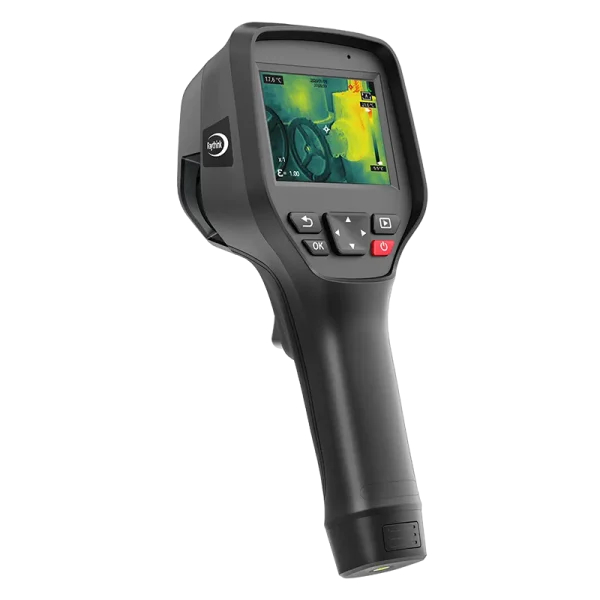
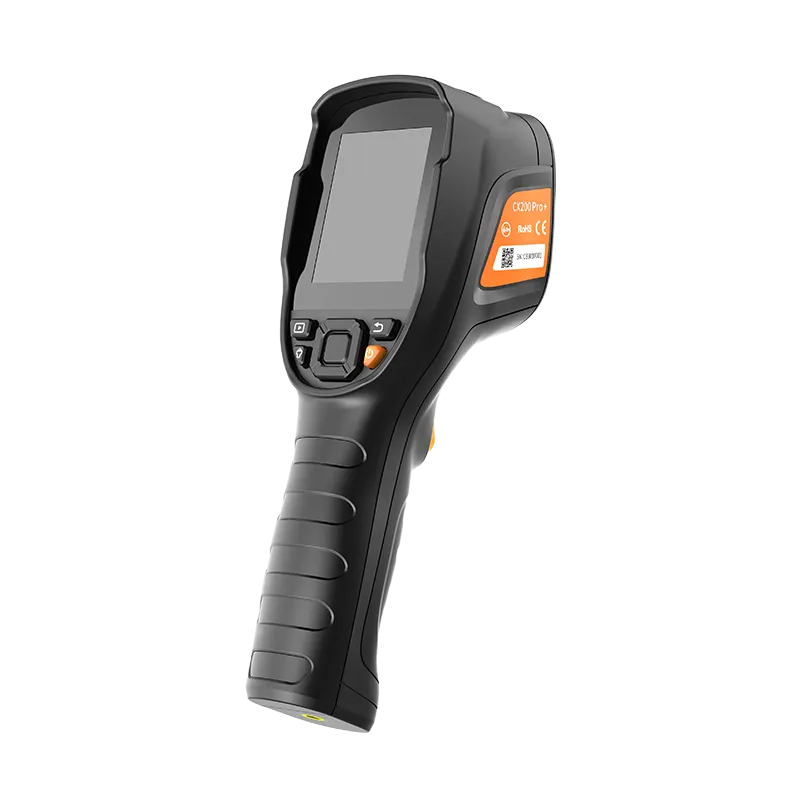
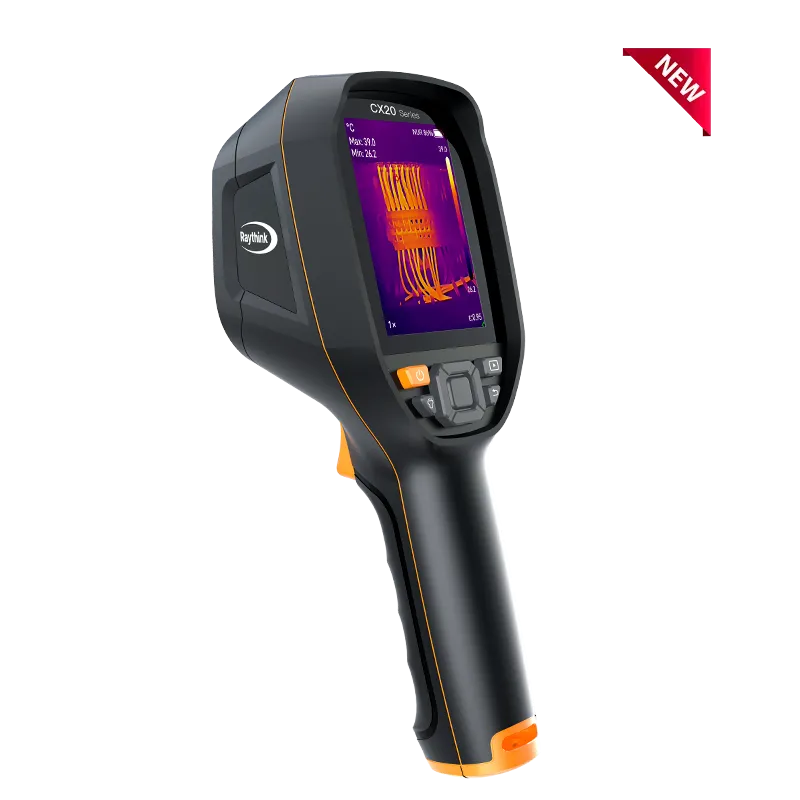
For one thing, the non-contact temperature measurement does not affect the surface temperature of the object to be measured, giving a more accurate temperature measurement result; for another, it is more convenient and flexible. For scenarios where it is not convenient for thermal imaging camera installation, handheld thermography cameras can easily adapt.
3) Alarm Function and Messages of Abnormality Alarms
High and low temperature ranges can be set for thermal cameras. When the temperature reaches the set range, an alarm will be triggered, reminding the staff to carry out further inspection or maintenance.
4) Temperature Data Saving and Temperature Change Curve Generation
The temperature data of a thermal camera is sent to the control computer at a certain interval through Ethernet to generate a temperature change curve. Users can determine the part replacement period and operation and maintenance period according to the temperature change trend.
5) Secondary Development Support for Customers' Unique Advantages
The secondary development kit (SDK) provided enables users to carry out secondary development. Alarm messages can be pushed through the IO port, serial port, network, and other methods to assist customers in the action linkage and development of automation devices.